
Camellia phanii
Camellia phanii Hakoda et Ninh
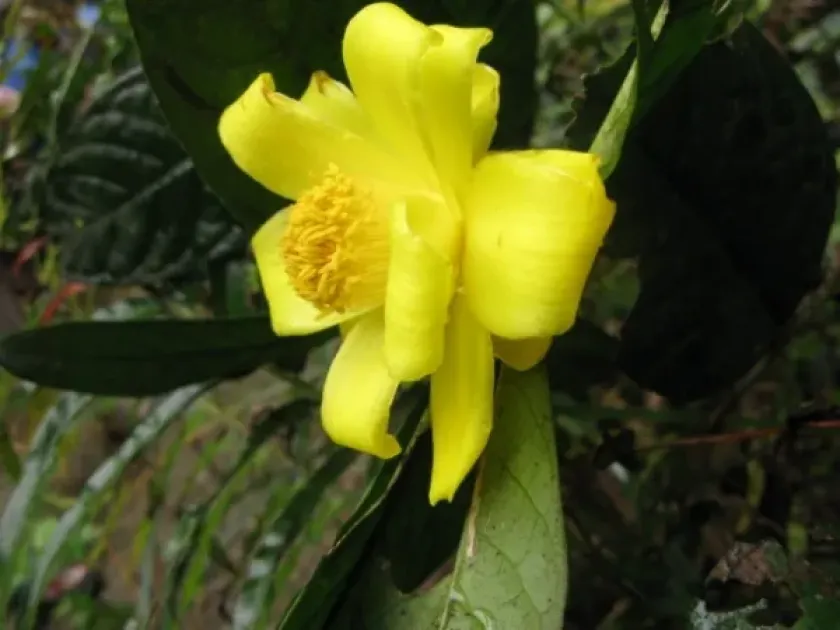
Description
Growing requirements
Camellia phanii is a distinct member of the Theaceae family, native to the mountainous regions of Vietnam. This evergreen shrub is highly valued for its dense, glossy foliage and its potential for specialized horticultural use in subtropical climates.
Successful cultivation requires soil with high acidity, typically ranging from pH 5.0 to 6.0, coupled with superior drainage properties. The plant is highly sensitive to waterlogging, which necessitates a carefully planned irrigation system to avoid root decay.
Environmental conditions must mimic its natural highland habitat, emphasizing the need for high relative humidity and protection from direct, harsh sunlight. Partial shade is generally considered the optimal condition for maintaining leaf health and color.
Regarding temperature, Camellia phanii prefers moderate conditions with a clear distinction between the active growing season and a period of relative dormancy. Shielding the plant from extreme wind and freezing temperatures is critical for long-term survival.
In ornamental practice, this species is utilized in botanical gardens and private collections for its unique floral architecture. It serves as an interesting subject for researchers studying the genetic diversity of the genus Camellia.
Main diseases and pests
Common pests affecting Camellia phanii include scale insects and spider mites, particularly when the plants are grown in confined or greenhouse environments. Integrated pest management, including regular inspections, is essential for maintaining control.
Fungal pathogens such as anthracnose and various leaf spots can compromise the foliage health under high humidity conditions. Applying appropriate fungicides and ensuring good ventilation are the standard protocols for disease mitigation.
Root rot is the most serious threat, usually associated with improper soil structure or excessive moisture. Preventing this involves selecting porous potting media and ensuring that all water applied can drain away freely from the pot.
Physiological disorders, such as chlorosis, often indicate a nutrient imbalance or incorrect soil pH levels. Regular soil analysis and the application of micronutrients can ensure that the plant maintains its vibrant green appearance.
Good agricultural practices, including sanitizing pruning shears and removing fallen leaves, play a vital role in preventing the buildup of inoculants and pests. Consistent monitoring ensures early detection and intervention for all health issues.