
Oilseed camellia hybrid
Camellia oleifera C. Abel x Camellia sasanqua Thunb.
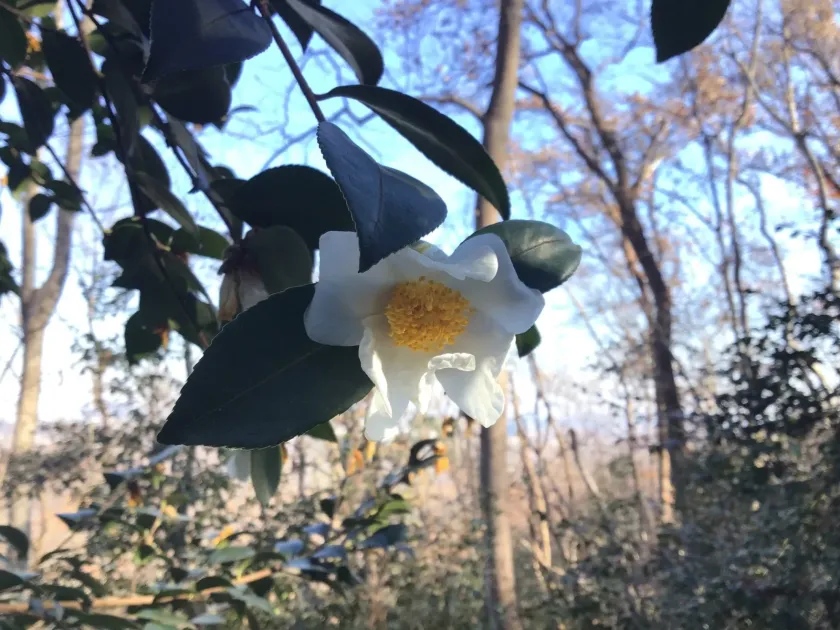
Description
Sowing dates
The sowing of oilseed camellia hybrid seeds is typically performed in autumn after harvesting or in spring following the necessary stratification of the seeds. For planting seedlings into the ground, the spring period is considered optimal once the risk of late frosts has passed, ensuring root establishment.
Seeds require thorough pre-sowing preparation, including soaking in growth stimulants and disinfection. In nurseries, seeds are planted at a depth of 3–5 centimeters in a well-drained, nutrient-rich substrate with a pH level between 5.0 and 6.5.
Vegetative propagation via cuttings is practiced in late summer when shoots reach a semi-hardwood state. Cuttings are planted in greenhouses with strictly maintained humidity levels and temperatures around 20–25 degrees Celsius.
The planting density in industrial plantations varies from 800 to 1200 plants per hectare, depending on the specific hybrid characteristics and the intended method of machinery management within the rows.
Regular irrigation during the first few years of growth is a critical factor for success, as young root systems are sensitive to moisture deficits. Once established, the culture becomes more resilient to short periods of drought.
Growing requirements
The hybrid belongs to the Theaceae family and is an evergreen shrub or small tree primarily cultivated for the high-quality edible oil contained within its seeds. It is a cross between Camellia oleifera and Camellia sasanqua.
Optimal growth conditions include a mild subtropical climate with sufficient rainfall. While camellias prefer well-lit areas, young plants benefit from partial shading during peak summer heat to prevent leaf scorching.
The soil must be loose, rich in organic matter, and provide excellent drainage. Camellia plants are highly sensitive to waterlogging, necessitating the installation of drainage systems in areas with heavy clay soils.
The ideal annual temperature range is 15–20 degrees Celsius. Hybrids show good adaptability to temperature fluctuations, although protection against extreme freezing is necessary in regions with harsher winters.
Industrial cultivation requires regular application of mineral fertilizers, particularly nitrogen, phosphorus, and potassium, to support flowering and fruit formation throughout the vegetation period.
Yield
The productivity of oilseed camellia depends on the age of the plantation and the quality of agronomic practices. Commercial yields typically begin in the 4th to 6th year, with peak production occurring between 15 and 30 years of age.
Average seed yield per hectare fluctuates based on plant density and climate. Productivity remains consistent when proper pruning and crown formation techniques are applied, which also simplifies maintenance.
Camellia oil is chemically similar to olive oil, making it a high-value product. The oil yield ranges from 25% to 40% of the kernel weight, ensuring strong economic viability for processing facilities.
By-products, such as meal after oil extraction, can be utilized as organic fertilizers or as feed components, further improving the overall profitability of the cultivation cycle.
The use of honeybees for pollination on plantations is recommended, as cross-pollination significantly increases the fruit set and enhances the oil content within the seeds.
Main diseases and pests
Major phytopathological threats include anthracnose and various leaf spots, which thrive in conditions of high humidity and poor air circulation within the plant canopy. Prompt management is essential.
Common pests such as scale insects and spider mites feed on young foliage and shoots, leading to plant weakening and reduced productivity. Monitoring is key to detecting infestations early.
Control strategies involve sanitary pruning of affected branches, keeping the area around the base of the trees clean, and the targeted application of biological pesticides or fungicides when necessary.
Prevention of root rot, often caused by stagnant soil moisture, is crucial for maintaining the plant’s overall immune system and preventing premature mortality of the crop.
Continuous monitoring of the plantation allows for early identification of disease hotspots, minimizing the need for large-scale chemical intervention and preserving the high quality of the harvest.
Harvesting
Harvesting begins when the fruit capsules reach technical maturity and begin to split. It is vital to collect the seeds before they fall to the ground to prevent loss and ensure product purity.
Depending on the region, the harvest season typically takes place in late autumn. While mechanical harvesting is possible on large-scale plantations, manual picking remains common to ensure the fruits are handled carefully.
Post-harvest, seeds must be dried in ventilated areas or specialized dryers to prevent mold and rot. Lowering the seed moisture content is essential for safe storage and oil quality preservation.
Processing lines are used to remove seed coats and extract the kernels for pressing. Quality control measures are taken to ensure the absence of debris, which is critical for food-grade oil production.
Following strict harvest and post-harvest procedures ensures that the valuable nutrients in the oil are preserved, directly influencing the market price and the product's nutritional profile.