
Camellia oleifera
Camellia oleifera C. Abel
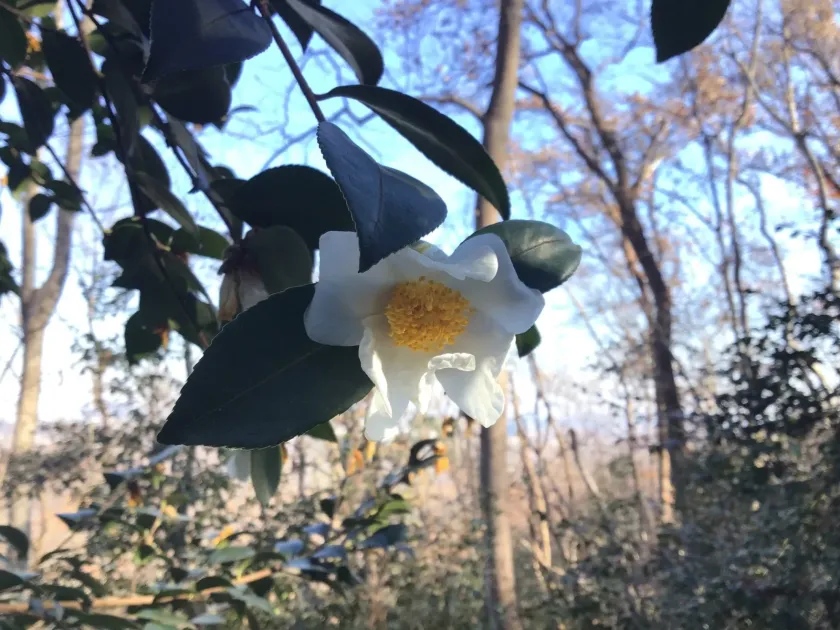
Description
Sowing dates
Sowing of Camellia oleifera seeds typically occurs in the autumn or early spring to take advantage of natural stratification periods before germination begins.
In large-scale farming, seeds are often first sown in nurseries to produce healthy seedlings, which are subsequently transplanted into permanent rows once they reach the required size.
Proper spacing is essential for high yields, with row gaps usually set between 2.5 and 3 meters to facilitate light penetration and air circulation across the plantation.
Young plants require careful management, including shading during the first few years to protect them from direct sunlight that can dry out the sapling.
Soil preparation involves deep plowing and the addition of organic matter to ensure the root system can establish itself firmly in the acidic medium preferred by this species.
Growing requirements
Camellia oleifera thrives in subtropical climates that provide consistent moisture and stable temperatures throughout the year, avoiding extremes of heat or cold.
The crop performs best in well-drained, acidic soils with a pH ranging from 5.0 to 6.5, which helps prevent root diseases and promotes nutrient uptake.
High relative humidity is beneficial for the development of both the foliage and the oil-bearing fruits, making coastal or hilly subtropical regions ideal for growth.
While the tree can tolerate partial shade, maximum productivity is achieved in locations that offer full exposure to daylight for significant portions of the day.
Effective water management is critical, as the plants require abundant rainfall but cannot tolerate waterlogged conditions that lead to root rot.
Yield
The economic life of a Camellia oleifera plantation is long, with trees beginning to bear fruit around the 4th to 6th year and peaking in productivity after the first decade.
Yields are heavily influenced by the adoption of modern pruning techniques that encourage lateral branch growth, which carries the majority of the fruit load.
Efficient management practices, including balanced fertilization and weed control, are essential to maintain consistent yearly outputs from the maturing orchard.
The seeds contain a high percentage of oil, known for its quality and wide application in food, cosmetic, and industrial sectors, ensuring a stable market value.
Regular rejuvenation of older trees through strategic pruning ensures that the plantation remains productive for several decades without needing replanting.
Main diseases and pests
Scale insects represent a major pest for Camellia oleifera, often attacking stems and leaves, which can reduce the vigor of the plant if left untreated.
Fungal pathogens such as anthracnose and leaf spot diseases may appear during seasons of prolonged rainfall or in plantations with inadequate space for ventilation.
Integrated pest management strategies are commonly used, combining biological controls and targeted chemical applications to keep pest populations below the economic threshold.
Maintaining a clean plantation floor by clearing debris prevents the overwintering of pathogens and reduces the risk of recurrent fungal outbreaks in the spring.
Vigilance is required during the flowering and fruit-set stages to prevent damage from opportunistic beetles or pests that specifically target the reproductive structures.
Harvesting
Harvesting is concentrated in the autumn months when the fruit capsules transition from green to a brown, split appearance, indicating peak maturity.
Manual labor is often preferred during harvest to ensure that only fully ripened fruits are picked, which guarantees the highest quality of the final seed product.
Post-harvest processing involves drying the capsules in controlled environments to prevent moisture accumulation, which could lead to mold or spoilage of the seeds.
After drying, the shells are removed to extract the seeds, which are then cleaned and prepared for mechanical pressing to extract the high-value camellia oil.
Storage of the harvested seeds must take place in climate-controlled facilities to maintain low moisture levels and protect the integrity of the natural fats stored within.