
Camellia luongii
Camellia luongii Ninh & Le.
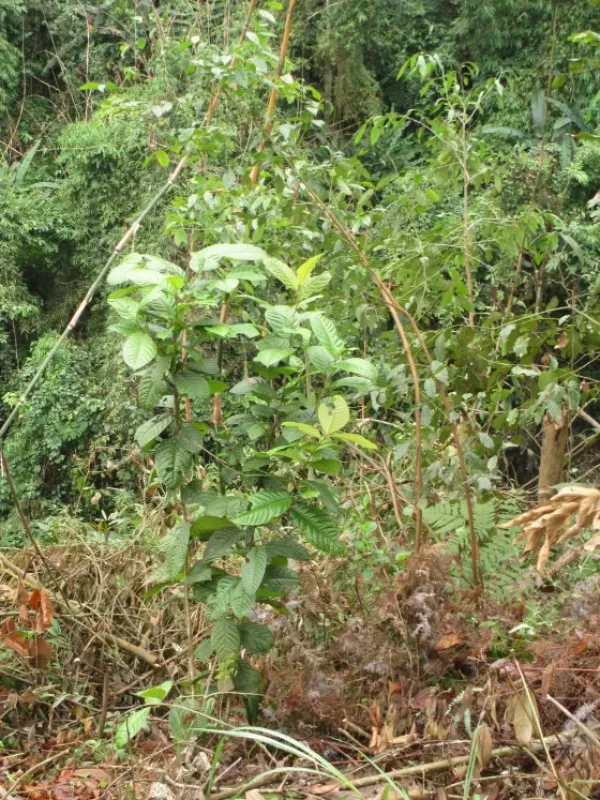
Description
Growing requirements
Camellia luongii is an evergreen woody plant belonging to the Theaceae family. This rare species is endemic to the humid tropical forests of Vietnam and requires specific environmental conditions to thrive in cultivation.
For successful growth, the plant needs a mild tropical climate with high air humidity and protection from direct sunlight. Optimal conditions include temperatures between 18 and 25 degrees Celsius and consistent moisture without prolonged drought periods.
Soil requirements for the crop include loose, well-draining substrates with high acidity, which is characteristic of forest soils. It is crucial to avoid moisture stagnation in the root system, which can lead to the development of rot and plant death.
In its natural habitat, the camellia prefers the forest understory, so in agronomy, it is essential to create a diffused light or partial shade environment. In regions with cooler climates, the plant requires greenhouse cultivation with climate control.
The economic use of Camellia luongii is primarily focused on ornamental gardening and breeding. Due to its unique morphological features, it is highly valued by collectors of rare botanical species.
Yield
Yield metrics in an industrial sense for this species have not been defined, as it is not a mass-produced agricultural crop. The primary product consists of seed material for breeding centers and saplings for decorative landscaping.
When cultivated in specialized nurseries, productivity is measured by the number of viable seedlings obtained through propagation or seed germination during the growing season.
The biological productivity of the plant depends directly on maintaining the humidity and temperature balance in protected ground. Optimizing nutrition with low-calcium mineral fertilizers contributes to better vegetative mass development.
The growth rate of Camellia luongii is moderate, which is a typical characteristic for many woody camellia species. Stable root system development is the key to forming a healthy aerial part.
Maximum yield of planting material is achieved by using professional peat and conifer litter-based substrates, which provide the ideal pH level for members of the Theaceae family.
Main diseases and pests
The main threat to the plant comes from phytopathogenic fungi that develop in conditions of excessive soil moisture and poor air circulation. Root rot and powdery mildew on leaves are the most commonly observed issues.
Among pests, scale insects and spider mites can cause the most damage, as they reproduce actively when air humidity regimes are disturbed. Regular inspection of the leaf undersides allows for the timely detection of infestation sites.
For disease control, the use of systemic fungicides is recommended; however, it is important to strictly adhere to dosages to avoid chemical burns on the plant's delicate foliage.
Pest prevention consists of maintaining optimal greenhouse hygiene and occasional misting to increase humidity. Performing sanitary pruning of damaged shoots helps to limit the spread of infections.
An important protection aspect is quarantining new specimens arriving in a collection, which prevents the introduction of dangerous pathogens into the protected growing environment.