
Camellia euphlebia
Camellia euphlebia Merr.ex Sealy
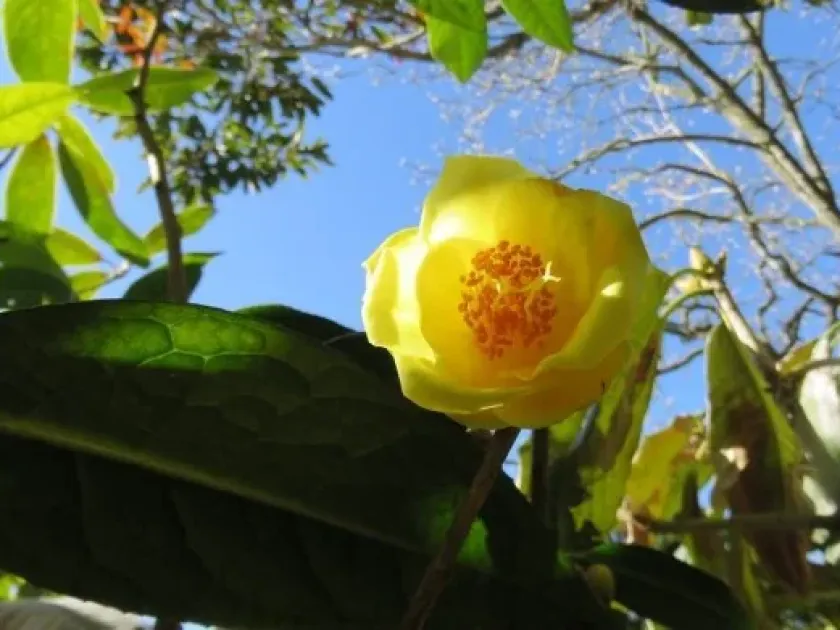
Description
Growing requirements
Camellia euphlebia is a valuable species of evergreen shrub belonging to the Theaceae family. In the wild, this species is endemic primarily to the Guangxi province of China, where it prefers humid forest areas and mountain slopes.
The plant requires specific conditions for successful growth, typical of a subtropical climate. The optimal temperature range for the culture varies between 18 and 25 degrees Celsius, while the plant is extremely sensitive to sudden frosts and needs protection from direct midday sun.
Soil requirements involve the use of slightly acidic, well-drained substrates rich in organic matter. A critical factor is maintaining a consistent level of moisture, as the plant does not tolerate root system desiccation, which can lead to significant leaf drop.
Cultivation practices include regular fertilization with complex nutrients during the active growth season. On a commercial scale, it is essential to maintain proper planting density, ensuring adequate air circulation between plants to prevent humidity stagnation.
The economic use of this species is primarily linked to its potential in the food and pharmaceutical industries. Its leaves and buds contain unique polyphenols and flavonoids, making it a promising candidate for selection as a specialty "golden tea".
Main diseases and pests
The main biological threats to this crop include fungal diseases such as anthracnose and powdery mildew, which occur when moisture management is inadequate. Preventive measures include timely pruning and the application of appropriate fungicides.
Among pests, spider mites and scale insects pose the greatest danger, as they proliferate rapidly in low-humidity conditions. Regular monitoring of the plantation allows for the detection of infestations at early stages, minimizing potential crop damage.