
Camellia dormoyana
Camellia dormoyana (Pierre ex Laness) Sealy
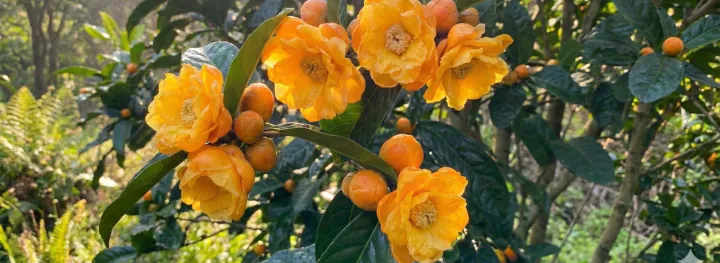
Description
Growing requirements
Camellia dormoyana is a distinctive evergreen species belonging to the Theaceae family. It typically grows as a woody shrub or a small tree, exhibiting the classic morphological traits common to the genus Camellia, including glossy leaves and complex floral structures.
The species is indigenous to the tropical regions of Southeast Asia, with its primary habitat localized in the forest ecosystems of Vietnam. It thrives in humid environments, which are essential for maintaining the physiological health of the plant throughout the growing season.
Cultivation of this species requires well-draining, acidic soil profiles rich in organic matter to mimic its native forest floor environment. Providing adequate moisture is crucial, as the plant cannot withstand prolonged drought conditions despite its woody structure.
In terms of climate, Camellia dormoyana requires consistent, warm temperatures and protection from harsh environmental factors. It is best suited for sheltered areas with dappled sunlight, avoiding direct exposure to intense midday sun which can stress the foliage.
While its agricultural impact is currently limited, the species holds significant value for botanical collections and future breeding efforts. Research focuses on understanding its specific ecological niches to preserve its germplasm and potential utility in specialty horticultural applications.