
Thick-leaved Camellia
Camellia crassiphylla Ninh & Hakoda
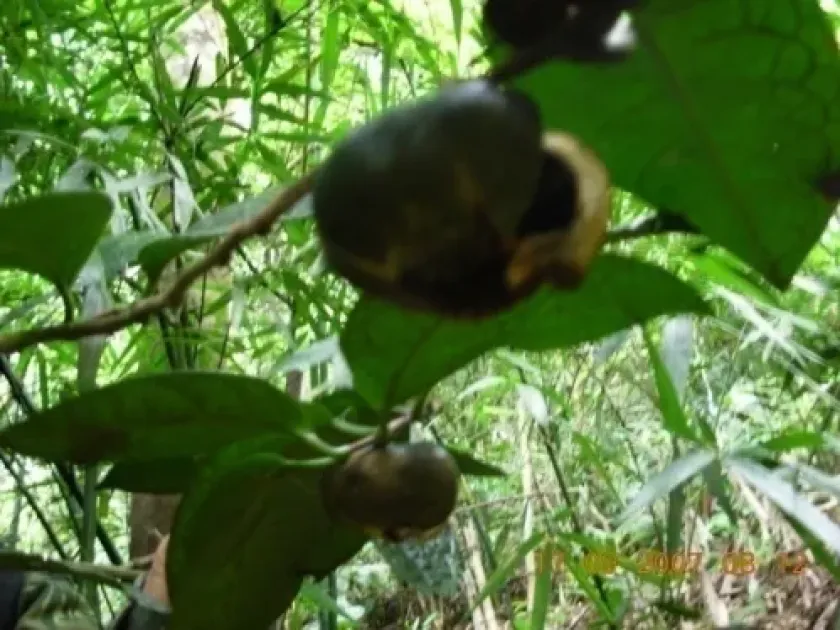
Description
Growing requirements
Camellia crassiphylla is a distinct species belonging to the Theaceae family. Originating from the mountainous forest regions of Vietnam, it is a broad-leaved evergreen plant adapted to sheltered and humid environments.
The climate requirements for this species include mild temperatures and a high level of air humidity. It thrives best in locations where it is protected from intense direct sun, which can cause scorching of its dense foliage.
Regarding soil conditions, this plant necessitates acidic, well-draining substrates rich in organic matter. A soil pH ranging between 5.0 and 6.5 is ideal to ensure optimal nutrient uptake and root health.
Its botanical features are marked by thick, leathery leaves that exhibit high resilience to environmental stressors. This unique foliage structure is a key adaptation to the diverse microclimates of its native habitat.
Economically, Camellia crassiphylla is primarily cultivated for its aesthetic value in landscape design, though it serves as a valuable genetic resource for breeding programs focused on hardiness and leaf quality.
Main diseases and pests
Common phytosanitary threats include fungal pathogens such as root rot, which typically occurs due to poor soil drainage or waterlogging. Maintaining a proper balance of soil moisture is essential for preventing these issues.
Pests such as scale insects and spider mites are frequent invaders that target the foliage. They extract plant sap and can weaken the overall structure of the plant if left untreated during the growing season.
Proactive management includes ensuring adequate air circulation through the canopy to prevent the accumulation of humidity that favors fungal growth.
Monitoring the undersides of the leaves for early signs of infestation is crucial. Integrated pest management strategies are recommended to maintain the health of the plant while protecting the surrounding ecosystem.
If an infestation occurs, manual removal or specific horticultural soaps are often preferred over broad-spectrum chemical treatments to preserve the delicate balance of the plant's environment.