
Callitriche petriei
Callitriche petriei
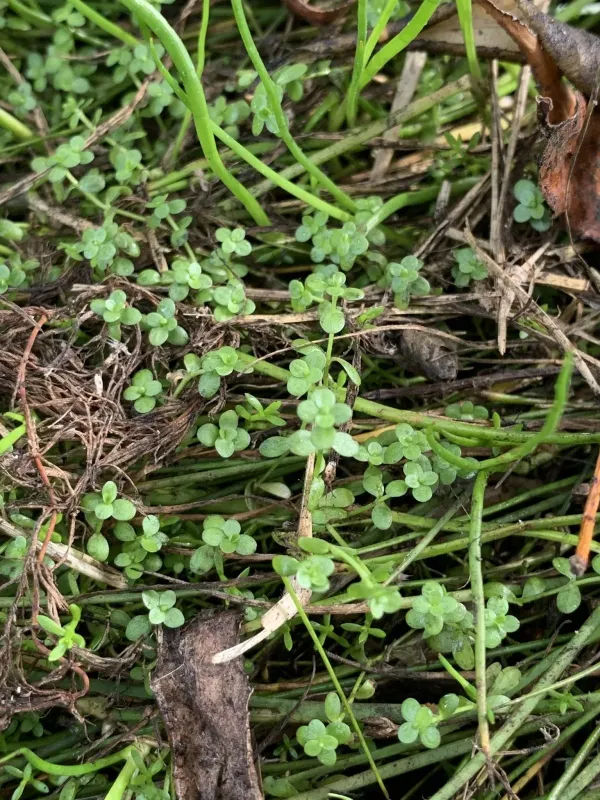
Description
Sowing dates
Callitriche petriei is a submerged aquatic plant that is not cultivated as a commercial agricultural crop. Its propagation occurs through natural seed dispersal, where seeds settle onto the substrate of freshwater bodies.
The germination phase begins as water temperatures rise in the spring. Seeds require a soft, silt-rich bottom to take root effectively and initiate the growth cycle of the aquatic colony.
Vegetative propagation is highly efficient, allowing the plant to spread across the lake or pond bed rapidly. This creates dense mats that are characteristic of the species' growth pattern.
In aquarium or laboratory settings, propagation is achieved via stem cuttings. These cuttings must be anchored in nutrient-rich soil to ensure proper development of the root system.
Environmental stability is essential for successful seedling establishment. Proper light penetration during the initial growth stages is the primary factor for securing a healthy population.
Growing requirements
As a member of the Plantaginaceae family, Callitriche petriei is native to New Zealand. It is highly adapted to temperate climates and clear, cool freshwater environments.
The plant thrives in water with high oxygen content and stable pH levels. It is an indicator species, often used to assess the health of local aquatic ecosystems.
Optimal light intensity is crucial. In low-light conditions, the plants become etiolated, leading to weak, leggy stems that are more susceptible to physical damage and disease.
The ideal substrate consists of fine sediments, such as sand or organic silt. These materials allow the delicate root system to absorb necessary nutrients without mechanical resistance.
Water temperature should remain within a moderate range of 12 to 20 degrees Celsius. Excessive heat causes a decline in physiological performance and may lead to rapid tissue decay.
Main diseases and pests
The main threat to Callitriche petriei involves competition from invasive aquatic weeds. These plants often outcompete native species for sunlight and dissolved minerals.
Herbivorous aquatic snails can cause significant damage to the plant's delicate leaves. High densities of these pests can destroy entire colonies if left uncontrolled.
Eutrophication of water bodies due to agricultural runoff remains a major risk. Nutrient spikes cause algal blooms, blocking sunlight and depleting oxygen levels required by the plant.
Fungal infections can occur in stagnant water where circulation is minimal. These pathogens target the stem, causing rot and ultimate detachment of the plant from the substrate.
Drastic changes in water levels, such as periodic droughts or floods, disrupt the growth cycle and can physically strip the plants from their established growing areas.