
Pedunculate water-starwort
Callitriche brutia
Description
Growing requirements
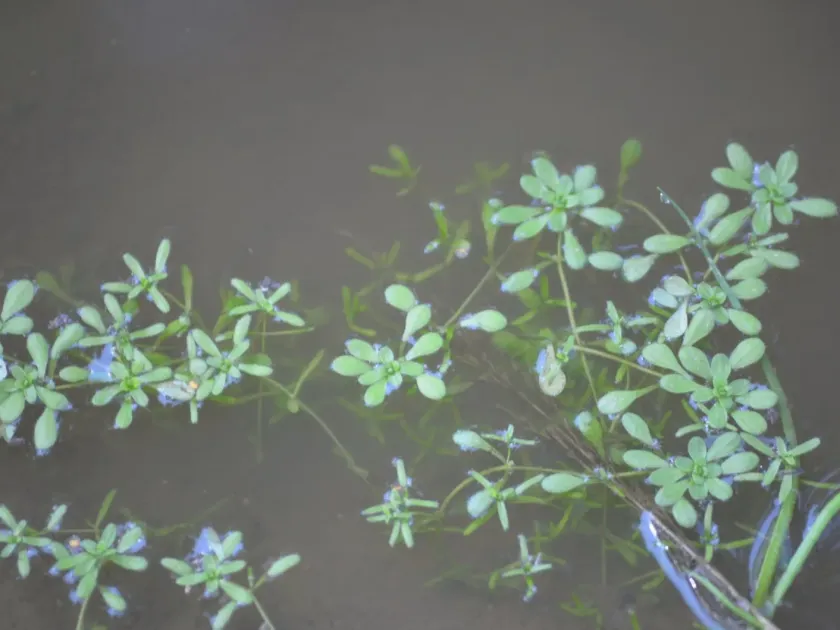
Pedunculate water-starwort (Callitriche brutia) is an aquatic plant species belonging to the Plantaginaceae family. It is widely recognized as a classic hydrophyte, typically thriving in fresh, stagnant, or slow-moving water bodies.
The distribution range of this species covers various parts of Europe, including the Mediterranean region and parts of the UK. It is known to inhabit ditches, streams, and shallow edges of ponds, often forming thick submerged mats.
The cultivation of this plant requires specific environmental parameters, including high water clarity and moderate nutrient levels. It performs optimally in full sunlight, which is necessary for its photosynthetic activity and healthy vegetative growth.
Soil requirements for the plant involve a soft, silty, or sandy substrate that allows roots to anchor securely. Callitriche brutia is highly adaptable to fluctuating water levels, making it a robust choice for certain ecological restoration projects.
Economically, this plant is valued in aquaculture for its role in water purification and maintaining the ecological balance of aquatic habitats. By absorbing excess nutrients, it helps clarify water and prevents excessive algal blooms.
Main diseases and pests
Eutrophication of water bodies remains the most significant threat to the survival of the pedunculate water-starwort. Excessive accumulation of organic waste leads to light limitation and oxygen depletion, which can kill the plants.
Pests, such as various aquatic gastropods, can cause mechanical damage by grazing on the stems and leaves. While usually manageable, heavy infestation can reduce the overall health and coverage area of the plant population.
Pathogenic fungi can trigger infections, especially in water with low circulation or excessive temperatures. Symptoms often manifest as necrosis of the stem tissues or visible white mycelium under unfavorable hydrological conditions.
Invasive non-native macrophytes often compete with Callitriche brutia for space and nutrients. The rapid growth of more aggressive species can displace the water-starwort, reducing biodiversity within the pond ecosystem.
Effective management requires consistent water quality monitoring and, when necessary, manual removal of competing weeds. Maintaining a steady flow and moderate temperature is the best preventative strategy against biological threats.