
Blunt-fruited water-starwort
Callitriche obtusangula
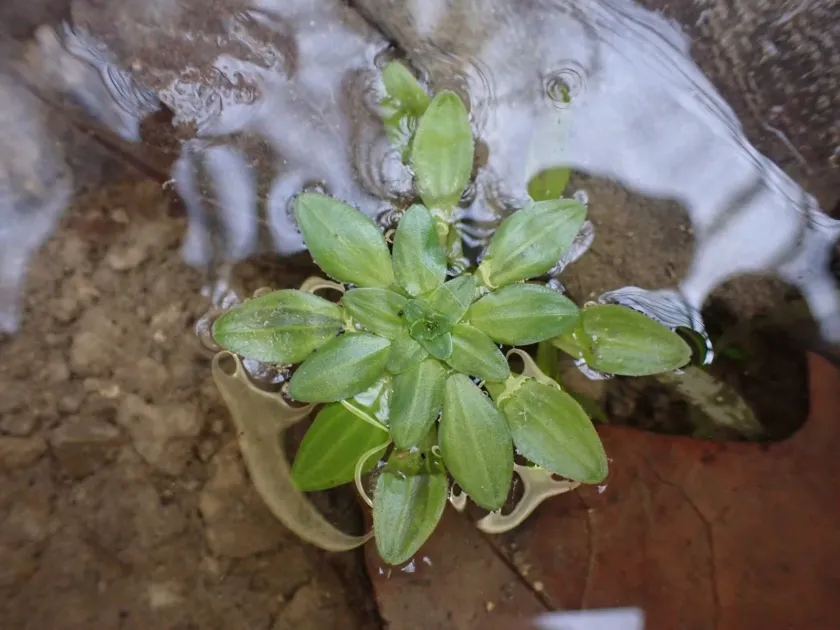
Description
Growing requirements
The blunt-fruited water-starwort (Callitriche obtusangula) belongs to the Plantaginaceae family. It is a highly specialized aquatic plant that typically inhabits stagnant or slow-moving freshwater systems, acting as an important indicator of water quality.
This species requires specific substrate conditions, preferring nutrient-rich silt or muddy bottoms. Its biological strategy involves the formation of distinctive apical leaf rosettes that float on the water surface, facilitating gas exchange and optimizing light absorption for photosynthesis.
Environmental conditions play a crucial role in the growth of this plant. It prefers temperate climates and thrives in water temperatures ranging from 15 to 22 degrees Celsius. It requires stable water levels and is intolerant to long periods of drought or sudden turbidity.
Regarding light requirements, the blunt-fruited water-starwort is a light-demanding species. It grows best in shallow to moderately deep water where the penetration of solar radiation reaches the bottom layer of the water column.
In terms of agricultural or environmental application, it is often utilized in the bio-remediation of small water bodies and as a structural element in ponds. Successful cultivation requires a balance of nutrients and the prevention of excessive organic sedimentation.
Main diseases and pests
Eutrophication caused by agricultural runoff is the primary threat to the stability of Callitriche obtusangula populations. High concentrations of nitrogen and phosphorus encourage the rapid proliferation of algae, which effectively shades out the water-starwort.
Fungal pathogens represent a significant biological threat, particularly in stagnant waters. These pathogens typically attack the delicate vascular tissue of the stems, leading to necrosis and preventing the plant from maintaining its structural integrity.
Aquatic insects and their larvae are common pests that feed on the submerged leaves of the plant. Significant infestation can lead to stunted growth and reduced vigor, especially during the peak of the growing season when nutrient demands are highest.
Pollution from herbicides applied to nearby agricultural lands poses a lethal risk to the species. Chemical contamination interferes with the plant’s metabolic pathways, resulting in rapid chlorosis and the total collapse of the submerged root system.
Competition from invasive plant species is a constant challenge. Aggressive hydrophytes can quickly colonize the habitat, depleting available resources and physically displacing the blunt-fruited water-starwort from its natural niche within the water body.