
Callitriche naftolskyi
Callitriche naftolskyi
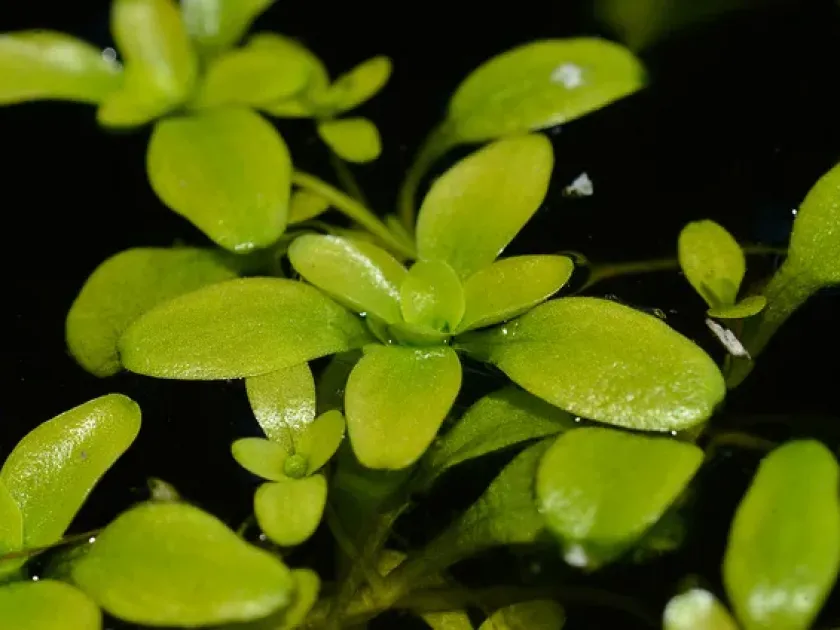
Description
Growing requirements
Callitriche naftolskyi is an aquatic plant species belonging to the Plantaginaceae family. Known primarily as a submerged or emergent macrophyte, it thrives in shallow freshwater environments where light can easily penetrate the water column to reach the leaves.
Its native range is primarily associated with specific habitats in the Middle East region. The plant is adapted to both ephemeral water bodies and more stable aquatic systems, provided that the soil composition remains nutrient-rich and moist throughout its life cycle.
The optimal growth requirements involve stable water temperature and clear water quality. High transparency is crucial, as the plant relies on consistent photosynthesis to maintain its structural integrity and reproductive capacity during the growing season.
Regarding soil, it prefers silt or sandy substrates that allow for light anchoring of the root system. These substrates must be devoid of heavy pollutants, as the plant is sensitive to chemical fluctuations that can hinder its development.
Cultivation practices require careful monitoring of water levels. While the plant can withstand slight fluctuations, long-term stability is necessary to promote the healthy formation of both submersed and floating leaf structures characteristic of this species.
Main diseases and pests
The main threats to Callitriche naftolskyi populations include water pollution and the encroachment of invasive algae. Algal blooms limit the penetration of sunlight and compete for essential mineral resources within the water environment.
Pathogenic fungi pose a significant risk, particularly in stagnant waters where aeration is low. These infections often manifest as necrosis on the leaf blades and can quickly spread throughout a dense colony if not managed timely.
Pests such as aquatic snails and certain insect larvae can cause physical damage to the stems. This injury reduces the plant's overall vigor and makes it more susceptible to secondary infections caused by bacteria present in the water.
Hydrological changes, such as rapid drainage or water diversion, represent a severe threat to survival. Sudden exposure to air can cause rapid dehydration of plant tissues, leading to premature senescence and loss of the population.
Effective management strategies involve regular water testing, removal of necrotic plant material, and ensuring proper water circulation to prevent the accumulation of stagnant organic matter that could harbor disease vectors.