
Callitriche muelleri
Callitriche muelleri
Description
Growing requirements
Callitriche muelleri is a specialized aquatic plant belonging to the Plantaginaceae family. It is native to the wetlands and freshwater systems of Australia and nearby islands, often thriving in shallow, nutrient-rich environments where competition from larger flora is manageable.
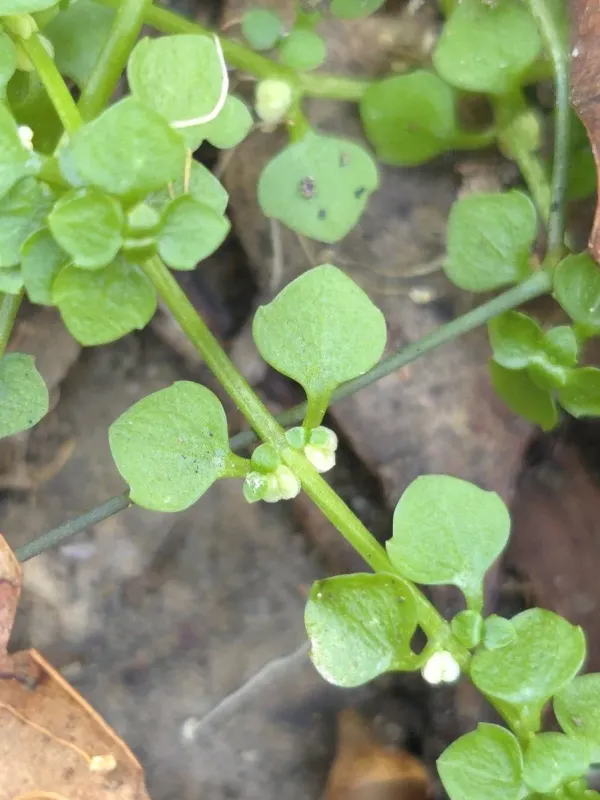
The plant exhibits a unique botanical structure with opposite, simple leaves that transition in shape depending on whether the plant is submerged or emerging. The stems are remarkably flexible and translucent, allowing the plant to sway effectively with mild water currents.
To cultivate this species successfully, it requires a stable environment with moderate sunlight exposure. While it is adaptable, providing a silty substrate rich in organic matter enhances its growth rate. Temperature control is crucial, as the plant performs best in cool to moderate water conditions.
In terms of agricultural and ecological application, Callitriche muelleri is often utilized for its bio-filtering capabilities. By absorbing nitrogenous waste products from the water column, it improves water quality, making it an excellent candidate for integrated aquatic systems or small-scale fish pond management.
Propagation is primarily vegetative, achieved through stem cuttings which root easily in damp soil or submerged conditions. Due to its rapid growth in favorable climates, it is essential to monitor its expansion to ensure it does not overwhelm smaller aquatic installations.
Main diseases and pests
The most common threats include water stagnation and thermal stress, which lead to necrotic tissue development. Furthermore, excessive algae blooms can inhibit photosynthesis, causing the plant to weaken; therefore, maintaining proper water circulation is vital to prevent fungal infections.