
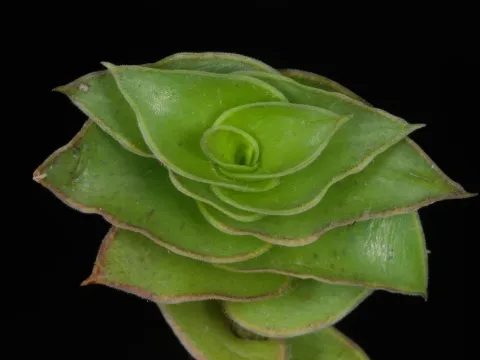
Callisia
Callisia
Callisia is a genus of herbaceous perennial plants belonging to the Commelinaceae family. Originating from the tropical and subtropical regions of the Americas, these plants are well-adapted to warm, humid environments with filtered light.
What the section contains


Callisia
Successful cultivation requires maintaining temperatures between 18°C and 25°C. Callisia plants are sensitive to cold drafts and extreme thermal fluctuations, which can significantly inhibit their growth and physiological development.
Regarding soil requirements, the culture prefers a well-draining, nutrient-rich substrate. A slightly acidic to neutral pH is ideal for optimal nutrient uptake. Proper drainage is essential to prevent waterlogging, which often leads to root hypoxia.
Agronomic management involves providing bright, indirect sunlight. While the plant can tolerate lower light levels, excessive shading results in etiolated, weak stems. Consistent moisture levels are required during the active growing season.
The economic value of Callisia spans ornamental horticulture and the production of raw materials for the pharmaceutical industry. Certain species, such as Callisia fragrans, are commercially grown for their secondary metabolites, including phytosterols and flavonoids.
Common pests affecting Callisia include spider mites and mealybugs, which tend to proliferate in dry indoor conditions. Regular monitoring of the foliage and stem nodes is critical for early intervention.
Root rot and powdery mildew represent the primary pathological risks for this crop. These diseases are frequently triggered by overwatering or poor air circulation, necessitating strict control over the growing environment's humidity.
Management practices for disease control involve utilizing appropriate fungicides when necessary and ensuring sufficient spacing between plants to facilitate adequate airflow.
Integrated pest management (IPM) strategies, including the use of horticultural oils or soaps, are often preferred to maintain the quality of the harvested biomass for pharmacological use.
Any signs of leaf chlorosis or stem necrosis should be promptly addressed by adjusting the irrigation frequency and removing any severely infected plant material to prevent secondary contamination.