
Callisia
Callisia hybrids
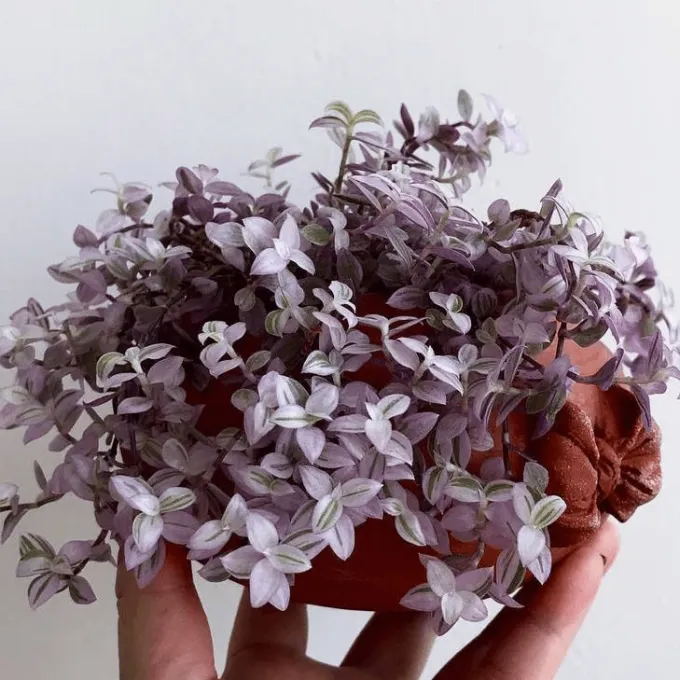
Description
Sowing dates
Callisia is a genus of perennial herbaceous plants belonging to the Commelinaceae family. In agricultural and horticultural practices, this crop is primarily propagated through vegetative methods, such as stem cuttings or division, rather than through seeds.
The ideal period for propagation is during the active growth phase, typically in spring or early summer. Taking healthy cuttings ensures a high survival rate and promotes the rapid development of a robust root system in the new plants.
A loose, well-draining substrate composed of peat and perlite is recommended for rooting. This medium provides the necessary aeration and moisture balance required to prevent the decay of young plant tissues during the establishment phase.
Maintaining a temperature range of 20–24 degrees Celsius is optimal for rooting. Consistency in temperature and humidity levels during the first weeks facilitates faster adaptation and uniform growth across the planting beds.
Using professional rooting hormones can streamline the propagation process in commercial settings. Selecting vigorous mother plants is essential to ensure that the offspring inherit the desired phenotypic characteristics of the hybrid.
Growing requirements
Callisia thrives best in bright, indirect light. Direct sunlight can cause leaf scorching and damage the epidermis, while insufficient light leads to etiolation and loss of the plant's characteristic compact habit.
The soil should have a slightly acidic to neutral pH and excellent drainage properties. A pot or bed with a drainage system is crucial, as waterlogged conditions quickly lead to physiological stress and root death.
Watering practices must be adjusted based on the season. During the active growth period, the soil should be kept consistently moist but not saturated. In winter, watering should be reduced to allow the plant a period of dormancy.
Humidity requirements are moderate; however, the plant benefits from increased air moisture in environments with central heating. Periodic misting or the use of humidifiers can help maintain the plant's aesthetic and physiological health.
Regular fertilization with balanced liquid fertilizers is recommended every two weeks during the growing season. This ensures that the crop receives essential nutrients to support vibrant foliage and sustained metabolic activity.
Main diseases and pests
The most common pests affecting Callisia are spider mites and mealybugs. These organisms thrive in dry environments and can cause significant damage to the foliage by sucking plant sap if not managed promptly.
Integrated pest management, including isolation of infested plants and the application of systemic insecticides or miticides, is necessary to mitigate damage. Regular monitoring of the underside of leaves is key to early detection.
Fungal pathogens, particularly root and stem rot, are frequent threats caused by excessive soil moisture and poor air circulation. These conditions are conducive to the growth of various pathogenic fungi and bacteria.
Preventative measures include maintaining clean cultivation areas, utilizing sterile soil mixes, and ensuring proper airflow. Removing necrotic leaves and debris helps eliminate potential breeding grounds for secondary infections.
Strict adherence to agricultural hygiene and irrigation protocols provides the best defense against pests and diseases, ensuring the long-term productivity and health of the Callisia crop.