
Rose pink inch plant
Callisia rosea
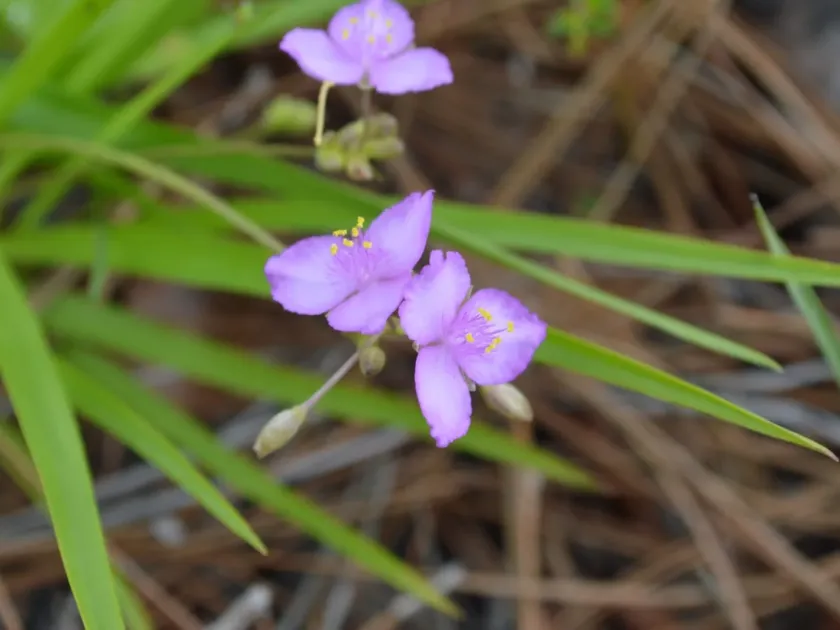
Description
Growing requirements
Callisia rosea, a member of the Commelinaceae family, is a perennial herbaceous plant valued for its delicate ornamental foliage and aesthetic pink-tinged blossoms. Its origins can be traced to the temperate regions of North America, where it thrives in shaded, moist environments.
The agricultural requirements for Callisia rosea include well-draining, loose, and slightly acidic soil. Adequate drainage is paramount to its survival, as the root system is highly susceptible to rot if water is allowed to stagnate in the substrate for extended periods.
Ideal climate conditions involve bright, indirect lighting. Prolonged exposure to intense direct sunlight can lead to leaf scorch, while insufficient light causes the plant to lose its characteristic compact growth habit and become excessively elongated.
Temperature management is crucial, with the plant performing best in a range between 18°C and 25°C. It is sensitive to extreme temperature drops and cold drafts, necessitating indoor cultivation or greenhouse protection in regions with harsh winter climates.
Watering frequency should be moderate, allowing the top layer of the potting medium to dry out slightly before the next irrigation. During the dormant phase, it is essential to significantly reduce water intake to prevent the development of physiological stress or fungal pathogens.
Main diseases and pests
Common pests affecting Callisia rosea include spider mites and mealybugs, which tend to flourish in low-humidity environments. Integrated pest management strategies, such as physical removal and the application of suitable acaricides, are recommended for maintaining plant health.
Pathogenic threats include root rot, often caused by overwatering or poorly ventilated growing conditions. Implementing strict irrigation protocols and ensuring adequate spacing between plants are the primary cultural practices for preventing these botanical diseases.