
Calamus leptospadix
Calamus leptospadix
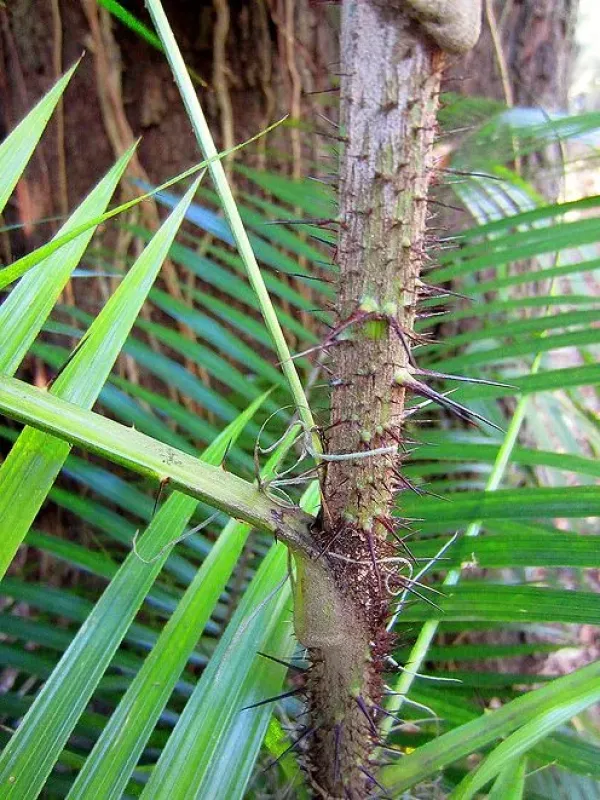
Description
Growing requirements
Calamus leptospadix is a climbing palm species belonging to the Arecaceae family, highly valued for its long and flexible stems used as raw material for the rattan industry. Originating from the tropical forests of Asia, this plant serves as a vital economic resource for local agricultural systems.
The crop thrives in tropical environments characterized by high humidity and warm temperatures throughout the year. It requires well-drained, nutrient-rich soils that can sustain consistent moisture without allowing stagnant water to build up around the root system.
In terms of agricultural management, Calamus leptospadix relies on structural support to grow vertically. Providing stakes or natural trellises is essential for optimizing the length and diameter of the stems, which are the primary components harvested for commercial purposes.
The plant demonstrates a moderate growth rate, requiring sustained management of the microclimate to ensure uniform development. Shade management is particularly important during the nursery and early growth stages to prevent desiccation and promote vigorous vegetative biomass production.
Processing of the harvested material involves stripping the outer layer and heat-treating the inner core to achieve the desired flexibility. This product finds extensive application in the furniture industry, where it is prized for its environmental sustainability and material durability.
Main diseases and pests
Fungal diseases constitute the primary phytosanitary threat to Calamus leptospadix, especially in plantations where air circulation is restricted. High humidity levels without adequate ventilation can lead to leaf spots and stem rot, which can devastate crop yields.
Pests, such as spider mites and various scale insects, frequently target the foliage and younger stems of the plant. Their feeding habits extract essential nutrients, causing stunted growth and reducing the physical quality of the rattan material harvested at the end of the cycle.
Soil-borne pathogens, including parasitic nematodes, pose a significant risk to the health of the root system. Effective management strategies include maintaining soil health, crop rotation protocols where possible, and the application of organic amendments to boost plant immunity.
Stem-boring insects present a unique challenge, as they penetrate the interior of the rattan, causing structural damage that renders the material unsuitable for high-grade industrial use. Monitoring and biological pest control are necessary components of a successful agricultural program.
Implementing an integrated pest management strategy is the most efficient way to maintain the health of these palms. This approach combines physical monitoring, environmental management, and targeted interventions to ensure high-quality output while minimizing the use of synthetic chemicals.