
Calamus latifolius
Calamus latifolius
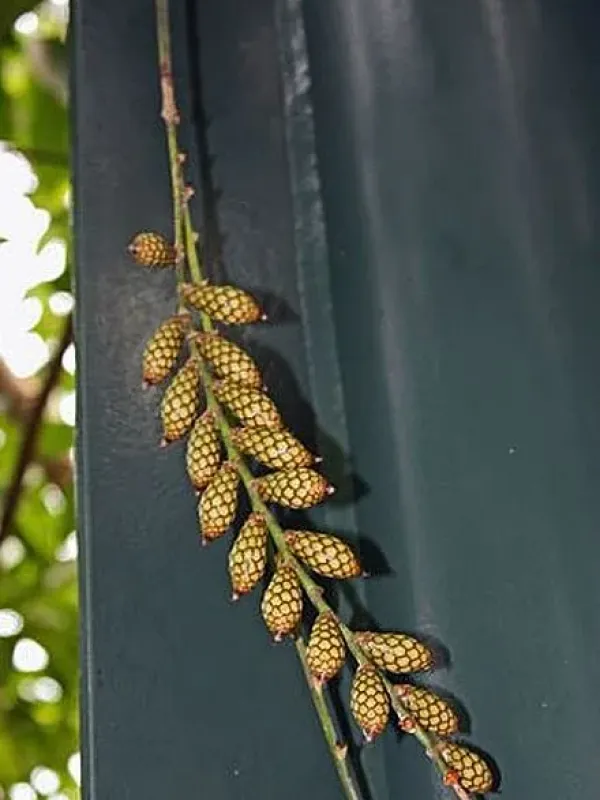
Description
Growing requirements
Calamus latifolius is a prominent species of climbing palm within the Arecaceae family, native to the tropical forests of South and Southeast Asia, widely known as a source of rattan.
The plant thrives in humid tropical climates characterized by high annual precipitation and consistent temperatures, which are essential for its vigorous vegetative growth.
Cultivation requires deep, fertile, and well-drained soils, as the root system, while needing constant moisture, is susceptible to rot if water stagnation occurs.
As a climbing vine, Calamus latifolius requires structural support to facilitate vertical growth, which is critical for developing the long, straight canes desired for commercial use.
In terms of light exposure, young plants often benefit from partial shade, mimicking the forest understory, while mature palms require sufficient light to maintain their growth rate.
Yield
The primary economic output of this culture is the cane (rattan), which is highly valued globally for its unique combination of flexibility, strength, and durability.
The canes are extensively utilized in the furniture industry, for creating hand-woven baskets, and as a raw material for various structural and decorative applications.
Yield performance is measured by the length and diameter of the harvestable stems, which are optimized through systematic maintenance and appropriate plantation density.
Beyond the structural utility of the stems, specific parts of the plant are consumed locally, demonstrating the versatile nature of this tropical crop for local economies.
Sustainable management practices, such as selective harvesting, are essential to maintain the productivity of these palms over long-term cycles without damaging the stand.
Harvesting
The harvesting process involves manually cutting the stems, stripping them of spiny leaf sheaths, and performing immediate field processing to prevent rapid degradation.
After collection, the canes are treated through steaming or oil curing to increase their resistance to pests and to achieve the uniform color required for high-quality furniture making.