
Variegated Small-reed
Calamagrostis varia
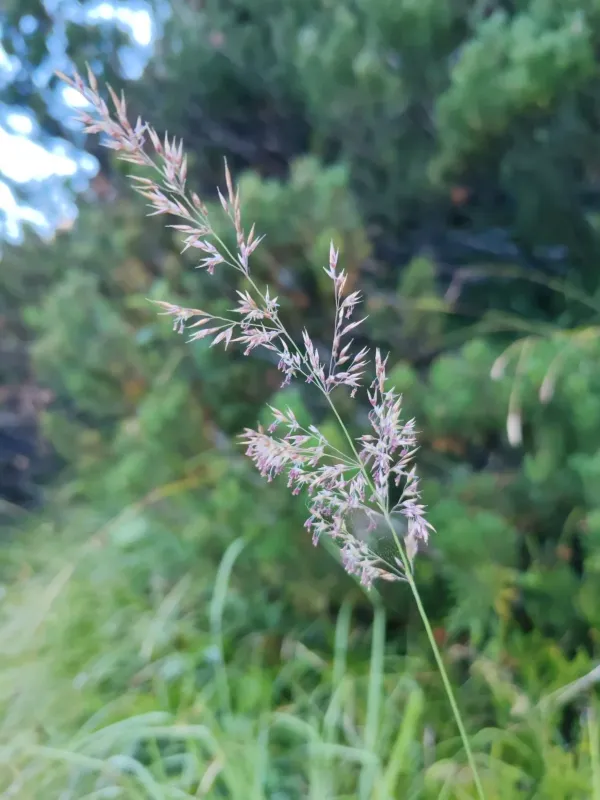
Description
Growing requirements
Calamagrostis varia, commonly known as the Variegated Small-reed, is a perennial grass species belonging to the Poaceae family. It is native to mountainous regions of Europe and adapted to diverse geological conditions.
The plant thrives on well-drained, nutrient-poor or rocky calcareous soils. It is highly valued for its ability to stabilize loose soil surfaces, making it an excellent candidate for land reclamation projects.
Regarding climate, it prefers cool and humid environments. It is remarkably winter-hardy and maintains its physiological activity in various highland altitudes throughout the growing season.
Agronomic management of this species focuses on maintaining a healthy soil structure. It requires minimal fertilizer inputs as it is adapted to survive in harsh ecological niches with limited resource availability.
For successful establishment, it needs adequate sunlight, although it can tolerate partial shading typical of forest edges and woodland clearings.
Yield
The agricultural importance of Calamagrostis varia lies in its use as a component of natural pastures and hayfields in mountainous agricultural systems. It provides reliable forage when harvested at the vegetative stage.
Yield production is closely tied to the density of the sod and the moisture retention capacity of the site. It is capable of producing significant biomass that serves as a vital forage resource for grazing livestock.
Optimal harvesting for nutritional value must occur before the maturation of the inflorescences to avoid the increase of fibrous tissues, which lowers the overall digestibility for cattle.
In addition to agricultural use, it is utilized as an ornamental grass. Its distinctive panicles provide a natural aesthetic to wild-looking landscape designs and meadow restorations.
Current research investigates the potential for using this species in carbon sequestration programs due to its extensive and robust root systems.
Main diseases and pests
Calamagrostis varia exhibits strong natural resistance to most common cereal diseases. Its robust nature allows it to flourish with very little reliance on fungicides.
High humidity and poor air circulation can occasionally lead to rust or powdery mildew infections. Ensuring proper planting density is the best prevention against these pathological conditions.
Pests, particularly grass aphids and flies, may occasionally affect young plants. Regular monitoring of the field ensures that populations remain below economic injury levels.
Soil-borne pests can cause damage in poorly drained areas, so ensuring adequate soil aeration is crucial for the health of the root system and long-term sustainability of the stand.
- Periodic mowing to promote vigor and remove old biomass.
- Ensuring well-drained soil conditions to prevent fungal growth.
- Implementing field sanitation to discourage pest colonization.