
Lapland small-reed
Calamagrostis lapponica
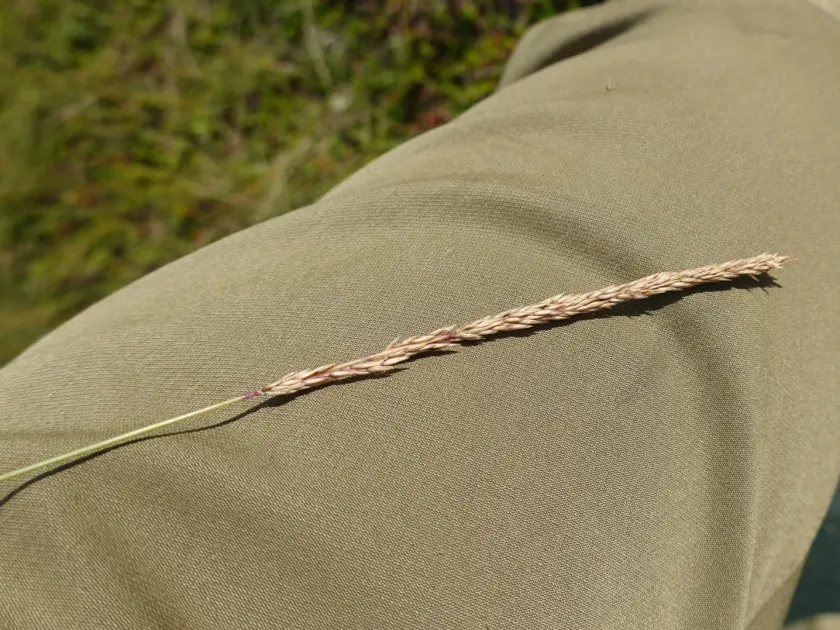
Description
Growing requirements
Lapland small-reed (Calamagrostis lapponica) is a perennial grass species from the Poaceae family, known for its extreme cold tolerance and adaptability to northern ecosystems. It is a vital component of subarctic and alpine vegetation.
Botanically, the plant features a rhizomatous growth habit, which allows it to form dense mats. These rhizomes serve as a storage organ for energy, enabling the plant to survive severe winter dormancy and regrow rapidly in the brief arctic summer.
The plant thrives in moist, well-drained habitats such as forest clearings, tundra meadows, and riparian zones. It is highly effective in soil stabilization, often used to prevent erosion in sensitive northern environments.
Regarding soil preferences, it favors slightly acidic to neutral substrates that are rich in organic matter. While it is hardy, the plant does not tolerate prolonged inundation or high levels of soil salinity in its root zone.
Climate adaptation is a hallmark of this species, as it is physiologically structured to perform photosynthesis at low temperatures, making it a key focus for studies in sustainable arctic land management.
Yield
In agricultural settings, particularly in high-latitude regions, Lapland small-reed serves as a significant source of forage. Its biomass production is consistent when environmental moisture is adequate throughout the growing season.
Livestock, particularly reindeer and hardy cattle breeds, utilize the young foliage as a high-protein feed source. The nutritional quality is highest during the vegetative phase, before the plants reach the flowering stage.
Management of the yield is critical; delayed harvesting leads to lignification of the stems, which substantially reduces the digestibility and mineral content of the hay for farm animals.
Under managed conditions, rotational grazing or early-season harvesting encourages active tillering, which maintains the vigor of the stand and ensures high productivity levels over several consecutive seasons.
The total yield is optimized by maintaining moderate grazing pressure, which prevents the build-up of old, dry stalks and encourages the regeneration of nutrient-dense green growth.
Main diseases and pests
Lapland small-reed exhibits strong natural resistance to many common fungal diseases that plague conventional cereal crops. Nevertheless, in overly damp and stagnant air conditions, rust fungi may develop on the leaf blades.
Pest pressures are generally low due to the harsh environmental conditions of the plant's native habitat. However, stem-boring insects may occasionally impact the development of individual stalks during exceptionally warm summers.
Integrated pest management strategies for this species focus primarily on cultural controls. Maintaining the health of the grass stand through balanced fertilization and proper moisture management is the first line of defense.
The use of chemical herbicides or pesticides is rarely required. In most agricultural scenarios, the plant's ability to outcompete weeds and its robustness against abiotic stresses make it a low-input crop option.
- Avoiding overgrazing to maintain root health and prevent disease entry.
- Monitoring for rust patches during unusually wet late-summer periods.
- Promoting biodiversity in the stand to reduce the likelihood of pest outbreaks.