
Plains reedgrass
Calamagrostis montanensis
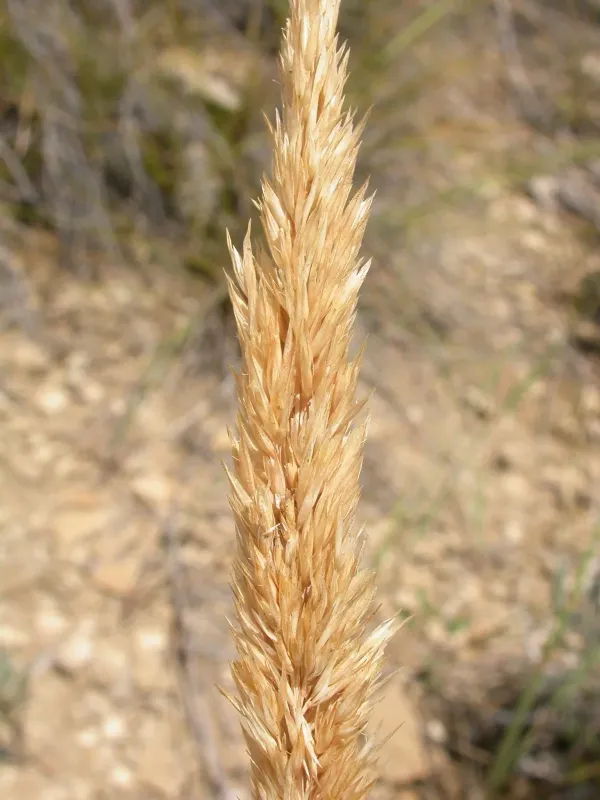
Description
Growing requirements
Plains reedgrass (Calamagrostis montanensis) is a hardy perennial grass species belonging to the Poaceae family. Recognized for its structural integrity and resilience, this plant is native to the western regions of North America, where it thrives in challenging climatic conditions ranging from dry prairies to mountain slopes.
The botanical characteristics of this species include a deep-reaching, fibrous root system that provides excellent drought tolerance and stability. These roots enable the plant to endure prolonged dry spells while maintaining the structural integrity of the soil surface in its natural habitat.
When considering soil requirements, plains reedgrass demonstrates a preference for well-drained, sandy or loamy textures. It is notably tolerant of nutrient-poor soils, making it a viable candidate for land restoration projects where more demanding agricultural crops would likely fail or require extensive fertilization.
Exposure to full sunlight is critical for the development of the species. As a heliophyte, its photosynthetic efficiency is directly correlated with the intensity of light received during the growing season, which significantly influences both the biomass production and the density of the grass stand.
In addition to its agricultural value as forage, plains reedgrass serves an important role in ecological conservation. Its dense growth habit and root network make it highly effective for erosion control on slopes and for stabilizing soils in disturbed areas, providing a sustainable solution for land management.
Harvesting
Harvesting strategies for this grass primarily involve cutting for hay or utilizing it for seasonal livestock grazing. To maximize the nutritional quality and digestibility of the harvested biomass, the operation should be executed during the early reproductive phase before the stems become overly lignified.