
Holm's small-reed
Calamagrostis holmii
Description
Growing requirements
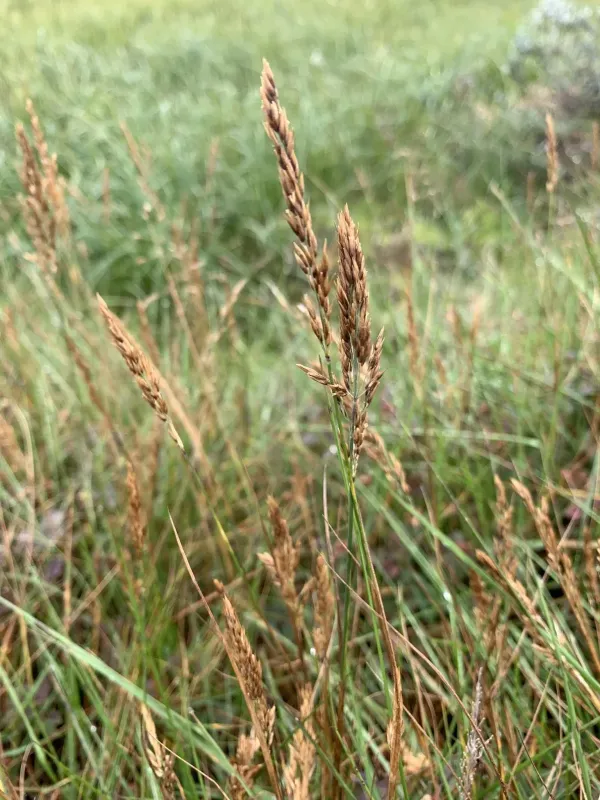
Holm's small-reed (Calamagrostis holmii) belongs to the Poaceae family. It is a perennial herbaceous grass known for its high adaptability to challenging environments, typically found in high-altitude or mountainous regions.
This crop prefers well-drained but consistently moist soils. It exhibits exceptional frost resistance, allowing it to survive in harsh climatic conditions where other grass species would fail to thrive during the winter period.
The plant features a robust root system that plays a crucial role in soil stabilization and erosion prevention. These characteristics make it a highly desirable species for land reclamation and phytoremediation projects.
For optimal development, Holm's small-reed requires adequate light and protection from high winds, which can otherwise damage the canopy. The plant responds well to nitrogen-based fertilizers during the active growing season.
Biologically, it grows as a dense, tussock-forming grass with narrow, resilient leaves, ensuring persistence within various ecosystems over long time frames.
Main diseases and pests
Major threats to this crop include fungal diseases, such as leaf rust and various leaf spot pathogens, which typically thrive under conditions of high humidity or poor aeration.
Agricultural pests, particularly aphids and grass-specific flies, can damage young stems during the early growth stages, requiring careful field monitoring and pest management strategies.
Invasive weed species can pose a significant challenge by competing for nutrients and space, especially during the establishment phase following initial seeding.
Overgrazing and poor management of grassland areas can lead to the decline of the stand, reducing the crop's longevity and its overall productivity for agricultural use.
Effective management includes implementing a balanced fertilization regime and using targeted fungicide applications if disease pressure exceeds economic injury levels.