
Purple small-reed
Calamagrostis canescens
Description
Growing requirements
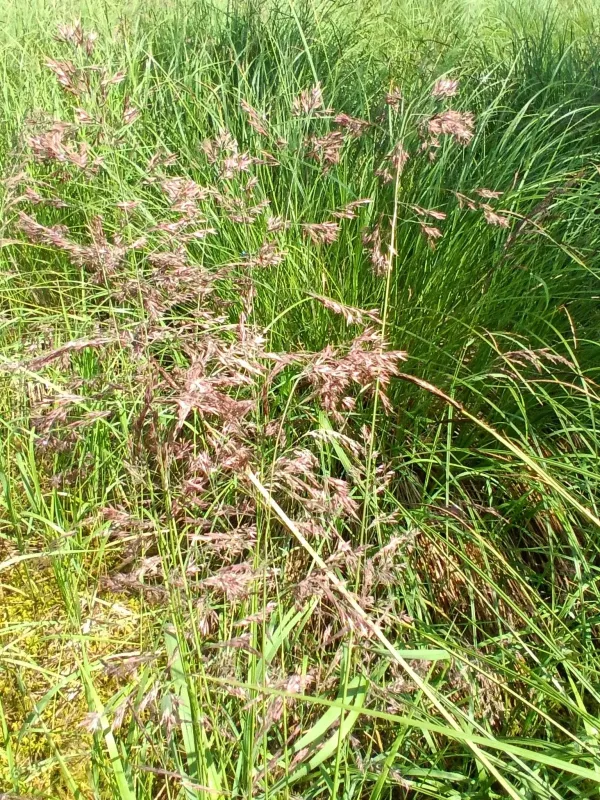
Calamagrostis canescens, commonly known as purple small-reed, is a perennial grass species belonging to the Poaceae family. This plant is native to a vast range across Europe and parts of Asia, thriving in various temperate environments.
The crop is highly recognized for its adaptability to wet and marshy habitats. It naturally occupies peat bogs, floodplains, and areas with poor drainage where most agricultural crops would succumb to waterlogging. This makes it a specialized asset for wetland management.
Botanically, it features a robust rhizomatous root system, which allows it to form dense mats. Its stems can grow between 60 and 120 centimeters in height, carrying narrow, slightly rough leaves that contribute to its overall biomass production.
In terms of soil requirements, it tolerates acidic conditions and lower fertility levels compared to conventional pasture grasses. It performs exceptionally well in soils where moisture content is consistently high throughout the growing season.
The plant is highly winter-hardy, allowing it to survive extreme temperature drops. Its growth cycle begins in early spring, and it remains productive throughout the warmer months, provided that the water balance of the soil is maintained.
Main diseases and pests
The primary threats to purple small-reed are fungal diseases, such as rusts, which can proliferate in environments with high humidity and stagnant air. These infections can affect the foliage quality if the canopy becomes excessively dense.
Insect pests, including cereal flies and larvae that feed on the blades, can cause moderate damage during the peak of the growing season. However, the plant's aggressive growth and rhizome structure usually compensate for such losses.
Overgrazing poses a significant risk to the longevity of the stand. Excessive livestock pressure reduces the plant's ability to store energy in its rhizomes, leading to a decline in productivity and allowing opportunistic invasive species to colonize.
Post-harvest care is crucial; leaving residue in wet conditions may promote mold growth. Proper timing of harvest—ideally before the plant reaches full maturity—is essential to maximize nutrient retention and reduce the incidence of pathogens.
Integrated management approaches, including periodic clearing and controlled water level management, are effective in preventing the spread of diseases and ensuring the health of the Calamagrostis stand over long periods.