
Slimstem reedgrass
Calamagrostis stricta
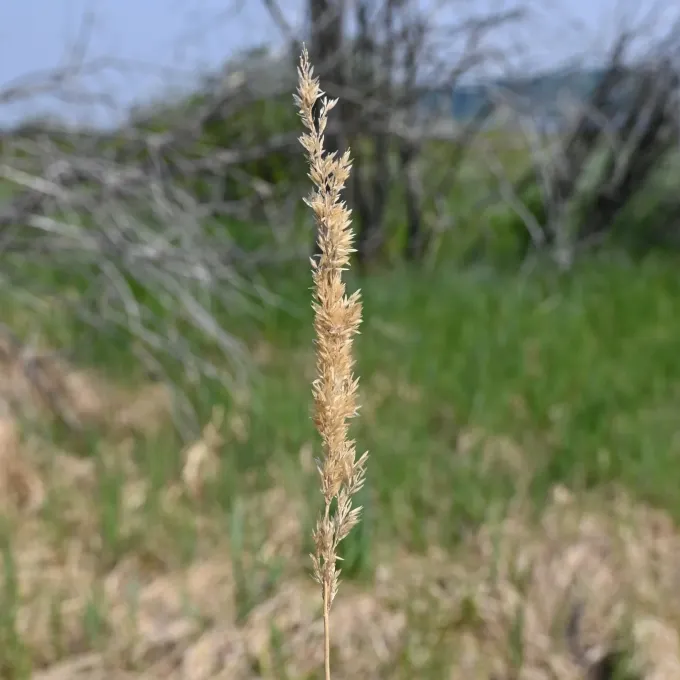
Description
Growing requirements
Slimstem reedgrass (Calamagrostis stricta) is a perennial grass species belonging to the Poaceae family. It is native to the northern regions of the Northern Hemisphere, showing remarkable adaptation to boreal and temperate environments.
This plant is primarily found in wetland habitats, including fens, bogs, and the margins of lakes and rivers. Its root system is exceptionally well-adapted to anaerobic soil conditions and periodic inundation.
Regarding climatic needs, the species is highly cold-hardy, thriving in regions with long, severe winters. It prefers moist, slightly acidic to neutral soil types that retain water throughout the growing season.
Botanically, Calamagrostis stricta features slender, erect culms and narrow leaf blades. It spreads through underground rhizomes, which allow the plant to form dense sods that are effective in stabilizing wet soils.
Economically, it serves as an important plant for phytoremediation and soil conservation. In agriculture, it can be used for light grazing or as a component of low-maintenance grassland systems in poorly drained areas.
Main diseases and pests
The primary threats to Calamagrostis stricta populations include rust fungi, which can significantly reduce the nutritional value and biomass volume of the foliage in dense stands.
Insect pests, such as cereal aphids and stem borers, may occasionally infest the plants, though they rarely reach population levels that justify chemical control measures in wild or semi-wild stands.
Soil compaction caused by heavy livestock traffic is a major risk, as it damages the sensitive rhizome system and increases susceptibility to opportunistic pathogens.
Invasion by more aggressive species, such as Typha or invasive sedges, poses a risk to established reedgrass communities, often requiring habitat management to maintain biodiversity.
Environmental stress, such as prolonged drought or extreme changes in hydrological cycles, remains the most significant threat to the long-term health and survival of this water-dependent grass.