
Scottish Small-reed
Calamagrostis scotica
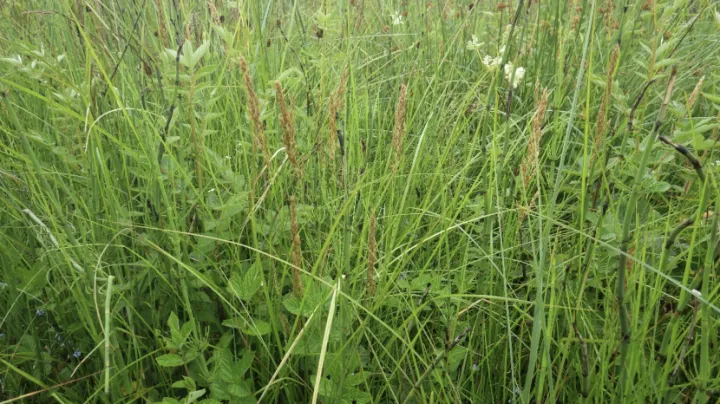
Description
Growing requirements
The Scottish Small-reed (Calamagrostis scotica) is a perennial grass belonging to the Poaceae family. It is a rare, localized species native to the northern regions of Scotland, where it thrives in sandy, damp habitats near the coast.
This grass species requires well-drained, nutrient-poor, yet consistently moist soils to thrive. It performs best in temperate climates with high atmospheric humidity, mirroring the conditions of its native northern coastal environment.
Cultivation should prioritize choosing sunny locations with occasional light shade during the hottest parts of the day. Exposure to direct sunlight is essential for the plant to maintain its structural integrity and reproductive vigor.
Soil management for Calamagrostis scotica involves avoiding heavy fertilization. Excess nitrogen can lead to rapid, weak growth that makes the plant susceptible to lodging and reduces its natural resistance to environmental stress.
Watering requirements are moderate but steady. While the plant can tolerate short periods of dryness once established, consistent soil moisture is critical during the initial growth stages to ensure the establishment of a robust root system.
Main diseases and pests
Scottish Small-reed is generally robust, but it can be susceptible to fungal pathogens such as rust or mildew, particularly when airflow is restricted in dense stands or when moisture remains on the foliage for extended periods.
Insect pests are typically not a major issue, but in agricultural landscapes, aphids or grass flies may pose a threat if the species is cultivated near monoculture grain fields which act as breeding grounds for these pests.
Root-feeding larvae, such as those of various beetle species, represent a potential threat to young plants. Routine soil inspections in the early spring can help identify infestations before they cause irreversible damage.
Maintaining clear zones around the base of the plants and removing dead debris at the end of the season are the most effective management practices to reduce the incidence of both fungal diseases and overwintering pest populations.
If chemical intervention is necessary, it is crucial to use targeted pesticides rather than broad-spectrum ones to preserve the surrounding biodiversity that naturally supports the health of this delicate grass species.