
Pine grass
Calamagrostis rubescens
Description
Growing requirements
Pine grass (Calamagrostis rubescens) is a prominent member of the Poaceae family. Native to North America, this perennial species is well-adapted to forest understories, open slopes, and a variety of climatic conditions across the temperate zone.
The crop thrives in well-drained, acidic to neutral soil types. It is particularly noted for its ability to grow in nutrient-poor conditions, where it often establishes extensive underground rhizome networks that help bind soil and prevent erosion.
In terms of climatic adaptation, this grass is highly frost-hardy and resilient to extreme temperature fluctuations. Its physiological structure allows it to enter a state of dormancy during severe winters and resume growth quickly in the spring.
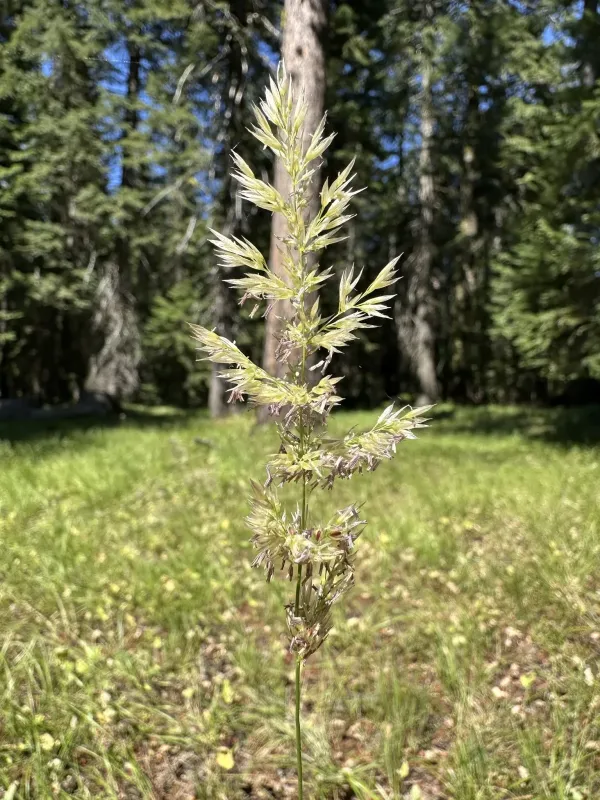
Botanically, it features slender stems reaching up to 1 meter in height and panicle inflorescences that turn into a distinct reddish-brown color, which is a signature characteristic of the species during the maturation phase.
Agricultural use is primarily focused on land reclamation and forage restoration, as it provides stable ground cover and can serve as supplementary feed for livestock in semi-arid and highland pastures.
Main diseases and pests
The primary threats to Calamagrostis rubescens include fungal infections like leaf rust (Puccinia spp.) and powdery mildew, which tend to proliferate in conditions of high humidity and poor ventilation.
Pests such as wireworms often target the root systems during the establishment phase, while various grass-feeding aphids may infest the leaves, leading to reduced photosynthetic activity.
Management practices to minimize threats should include maintaining proper plant spacing and ensuring that the soil drainage is sufficient to prevent the development of root-borne pathogens.
Periodic monitoring for signs of infestation is crucial, particularly during the early vegetative season when the young shoots are most palatable to herbivorous insects.
Integrated pest management strategies are recommended, focusing on cultural practices rather than synthetic chemicals to preserve the ecological balance of the grasslands where this species grows.