
Purple reedgrass
Calamagrostis purpurea
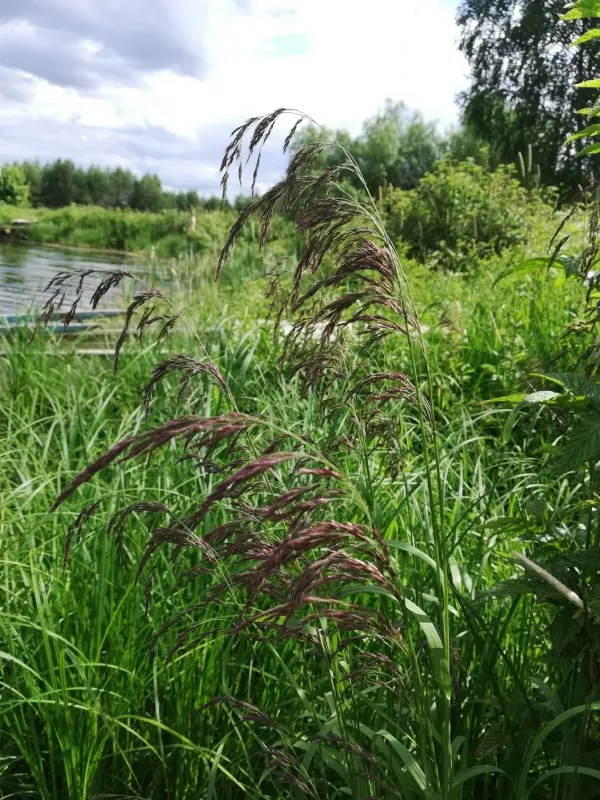
Description
Sowing dates
The optimal time for sowing Purple reedgrass is early spring, once the soil temperatures reach 5–8 degrees Celsius, or late summer to ensure successful root establishment before the onset of winter dormancy.
The seeding rate typically ranges from 8 to 12 kilograms per hectare, depending on soil preparation and sowing methods. Proper soil leveling and post-sowing compaction are essential to ensure uniform seed contact with the moist soil surface.
Seeds should be sown at a shallow depth of 1–2 centimeters, as they have limited energy reserves to emerge from deeper layers of soil. Using a roller after seeding significantly improves germination rates in field conditions.
During the first year, the plant allocates most of its energy to root system development, resulting in slow above-ground growth. Effective weed control during this period is vital to ensure the young seedlings are not outcompeted by invasive weeds.
In subsequent years, the stand becomes highly productive and competitive. Nitrogen-based fertilization is recommended to maintain vigorous growth and maximize biomass yield throughout the life cycle of the grass stand.
Growing requirements
Purple reedgrass (Calamagrostis purpurea) is a perennial grass species belonging to the Poaceae family. It is a robust, rhizomatous plant known for its adaptability and ability to thrive in a wide range of ecological conditions, forming dense vegetative cover.
The native range of this species covers the forest and forest-steppe zones of Eurasia. In its natural habitat, it typically populates damp meadows, riverbanks, marsh edges, and clearings, where it often serves as a dominant plant species in wetland communities.
Botanically, it is a loose-tufted grass with sturdy, erect stems reaching up to 120–150 cm in height. The leaf blades are broad, bright green, and possess a rough texture, which contributes to its significant biomass production potential in suitable environments.
The crop prefers fertile, loamy, or sandy-loam soils with high moisture content. It is remarkably resilient, capable of surviving seasonal flooding, making it an excellent choice for stabilizing and utilizing low-lying or poorly drained agricultural lands.
From an agricultural standpoint, it is valued primarily as a fodder crop used for hay production and grazing. While it may become coarse at later stages, it provides abundant, nutrient-dense forage during the early vegetative growth phases.
Main diseases and pests
Purple reedgrass is generally resistant to pests and diseases; however, in overly dense stands with poor airflow, fungal pathogens such as rust and powdery mildew can occasionally emerge and negatively impact crop quality.
Insect pests, including cereal flies and stem-boring beetles, can occasionally damage young shoots and growth points. This may lead to patchy stands and reduced overall productivity if infestations are not managed early.
Integrated pest management, including crop rotation and maintaining good drainage, is the primary defense strategy. Balanced fertilization helps the plants maintain their natural vigor and immunity against most common pathogens.
Preventing water stagnation is crucial for avoiding root rot issues. While the plant likes moisture, it requires soil with adequate drainage to prevent physiological stress, especially following long periods of drought.
Chemical control measures are rarely necessary and should be reserved only for seed production areas. Maintaining good agronomic practices remains the most effective and sustainable way to ensure healthy and long-lasting grass stands.
Harvesting
The most suitable time to harvest for high-quality hay is during the jointing or early heading stages. Harvesting at this time ensures the best balance between protein content and fiber digestibility for livestock consumption.
Delaying the harvest leads to the lignification of stems, which drastically reduces the nutritional quality and palatability of the forage. Timely mowing is essential for maintaining the high feed value of the harvested biomass.
Harvesting techniques typically involve standard mowing followed by tedding to ensure uniform drying. Due to its high dry matter content, the hay stores well and maintains its structural integrity throughout the winter storage period.
Under optimal moisture conditions and with proper fertilization, it is possible to obtain two harvests per season. The second cut, while typically smaller in volume, provides high-quality forage late in the growing season.
For seed production, the harvest is performed when the panicles reach full maturity. Careful timing is necessary to prevent seed shedding, as the seeds detach easily once they reach their final stage of development.