
False reed grass
Calamagrostis pseudophragmites
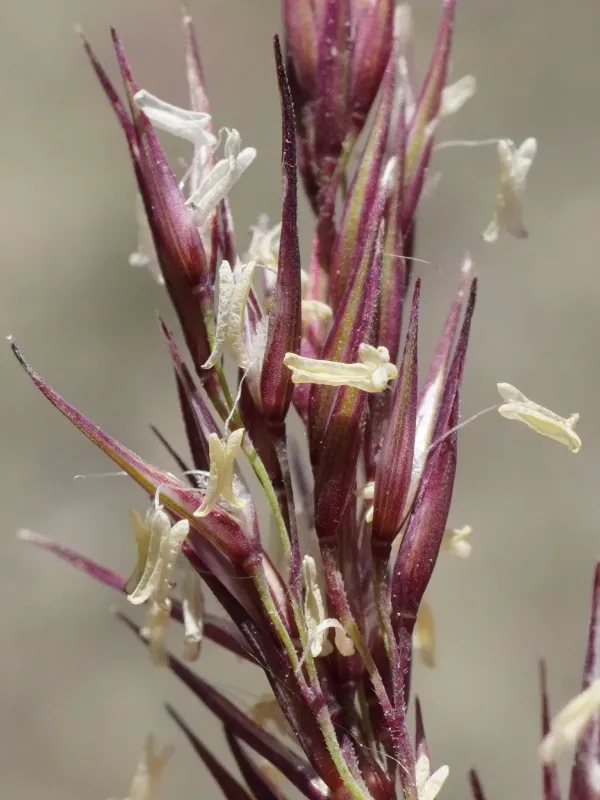
Description
Growing requirements
False reed grass (Calamagrostis pseudophragmites) is a perennial grass species belonging to the Poaceae family, widely distributed across various habitats in the Northern Hemisphere.
The plant is naturally adapted to riparian zones, riverbanks, and alluvial deposits, thriving in moist soils with high content of sand or gravel particles.
It exhibits strong resilience to environmental stressors, including periodic flooding and fluctuating water levels, which makes it ideal for use in ecological restoration projects.
While the species is highly adaptable, it thrives best in full sun, where it develops a dense and robust root system capable of effectively binding soil and preventing erosion.
Proper soil management for this crop includes ensuring adequate aeration, as the root system requires oxygen to support rapid growth and high biomass production during the vegetative season.
Main diseases and pests
Calamagrostis pseudophragmites is generally considered a hardy plant; however, in specific agricultural or nursery settings, it may encounter issues with rust diseases that affect foliage.
Aphids and mites are the primary pests that can infest the plants, particularly during dry spells, causing chlorosis and weakening the plant's overall vigor.
Poor site drainage can lead to root rot complications, especially if the plants are situated in areas with stagnant water for prolonged periods during the growing season.
Integrated pest management strategies involve monitoring for signs of infestation and applying appropriate biological or chemical treatments when thresholds are exceeded.
Maintaining proper spacing and ensuring adequate airflow between individual plants are crucial practices to reduce the incidence of fungal pathogens and improve plant health over time.