
Burchellia
Burchellia
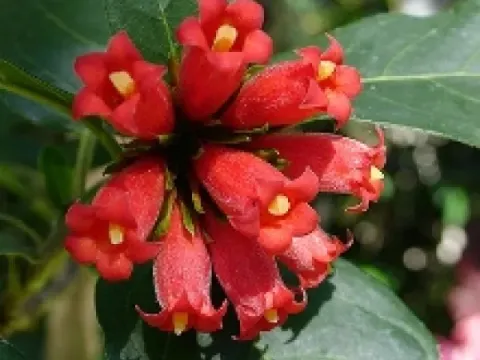
Burchellia bubalina, commonly known as the Pomegranate-bush, is a distinctive evergreen shrub belonging to the Rubiaceae family. Native to South Africa, it is highly valued for its striking orange-red, tubular flowers that appear in clusters.
What the section contains

Burchellia
The plant thrives in bright, filtered light conditions. While it can tolerate partial shade, insufficient light often results in poor flowering performance and leggy, weak growth patterns.
A well-draining, nutrient-rich soil mix is essential for the healthy development of Burchellia. Whether grown in a container or in a greenhouse, the substrate should retain moisture without becoming waterlogged.
Temperature management is critical for this species. As a frost-sensitive plant, it requires protected environments during colder months, ideally maintaining temperatures above 10 degrees Celsius for sustained growth.
Regular maintenance involves pruning after the flowering season to encourage a bushier habit and promote better floral density in the subsequent year. It is a versatile plant for collectors seeking tropical aesthetic in conservatory settings.
Pests are generally manageable if proper environmental controls are maintained. Scale insects and aphids are the most common intruders that tend to colonize on the underside of the foliage.
Root rot remains the primary physiological threat, usually caused by improper watering techniques. Ensuring the container has adequate drainage holes and using porous soil helps to mitigate this risk.
Powdery mildew may develop in environments with stagnant air and high humidity. Increasing airflow around the shrub and keeping the foliage dry are effective preventative strategies.
Integrated Pest Management (IPM) practices, including the use of neem oil or insecticidal soaps, are recommended for controlling minor infestations before they escalate.
General plant vigor depends on balanced nutrition; phosphorus-heavy fertilizers during the pre-blooming phase can significantly enhance the intensity and duration of the floral display.