
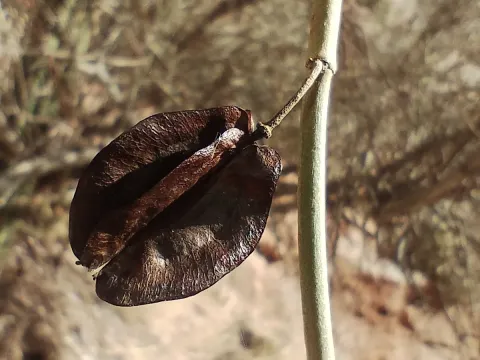
Bulnesia
Bulnesia
Bulnesia is a genus of trees and shrubs belonging to the Zygophyllaceae family. These plants are native to the arid regions of South America, particularly the Gran Chaco area.
What the section contains


Bulnesia
The botanical characteristics include dense, hard wood and small, resilient leaves adapted to low moisture environments. They are known for their slow growth rate.
Optimal growth requires well-drained, sandy or loamy soils. Stagnant water is detrimental to the root system, making proper soil preparation essential before planting.
These trees require high exposure to sunlight and are adapted to extreme heat. They exhibit high drought tolerance once established in the field.
Agricultural management involves careful site selection to avoid areas prone to flooding, ensuring the long-term health of the wood plantations.
The primary threats to Bulnesia plantations involve fungal infections of the roots caused by excessive moisture or poorly drained site conditions.
Boring insects represent a significant risk to the timber quality, as they penetrate the bark and inner wood, creating entry points for secondary pathogens.
Preventive strategies include proper spacing to allow for airflow and constant monitoring of tree vigor to detect early signs of infestation.
Weed control around young saplings is critical to reduce competition for limited soil nutrients and water in the arid environments where they are grown.
In cases of severe infestation, integrated pest management practices should be employed to protect the integrity of the valuable heartwood.
Bulnesia is primarily valued for its exceptionally hard, dense, and aromatic wood, often marketed under names related to its fragrant properties.
Harvesting involves selective cutting of mature trees, which requires long-term planning due to the slow growth of the genus.
The distillation of wood produces essential oils that are highly sought after by the global fragrance and cosmetic industries for their unique profile.
The wood is also utilized in high-end cabinetry, fine furniture manufacturing, and artisanal turning due to its rich color and durability.
Sustainable harvesting practices are essential for maintaining the resource, as wild populations have faced significant pressure from exploitation.