
Vera wood
Bulnesia arborea
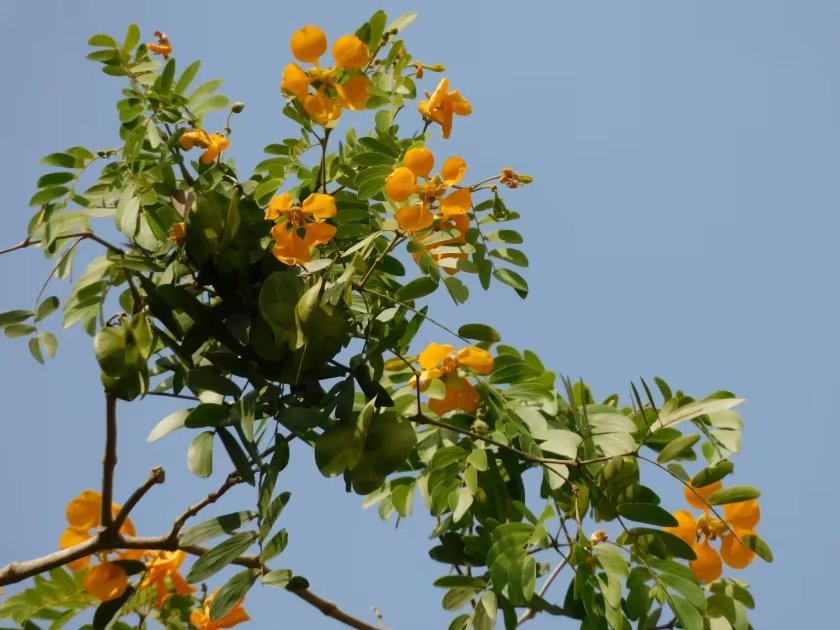
Description
Growing requirements
Bulnesia arborea, belonging to the Zygophyllaceae family, is a slow-growing evergreen tree native to the tropical forests of South America, specifically in regions such as Colombia and Venezuela.
The tree thrives in well-drained, sandy, or rocky soils and requires full sun exposure to achieve optimal growth. It is highly tolerant of drought conditions, making it suitable for reforestation in semi-arid tropical areas.
Climatic requirements are focused on warm, stable temperatures throughout the year. The species is sensitive to frost and does not tolerate waterlogged soil, which can lead to root degradation.
A typical cultivation strategy involves nurturing seedlings in nurseries before transplanting. Due to the tree's slow initial development, weed management in the first three to five years is critical for survival.
Economically, the species is primarily managed for its high-density timber, commonly referred to as Vera wood. Its wood is prized for its extreme hardness, oily texture, and distinct fragrance, making it valuable for artisanal crafts and specialized furniture.
Main diseases and pests
Fungal pathogens associated with high soil moisture are the most significant threat to young saplings in nursery conditions.
Mature trees may be susceptible to wood-boring insects and termites, which can degrade the quality of the harvested timber if left unmanaged.
Deforestation and habitat fragmentation pose severe threats to the population stability of Bulnesia arborea in its natural tropical range.
Improper planting depth and poor soil aeration often lead to physiological stress, making trees more susceptible to opportunistic diseases.
Effective management includes regular monitoring for pests and maintaining adequate space between trees to ensure proper air circulation throughout the plantation.