
Bulnesia sarmientoi
Bulnesia sarmientoi
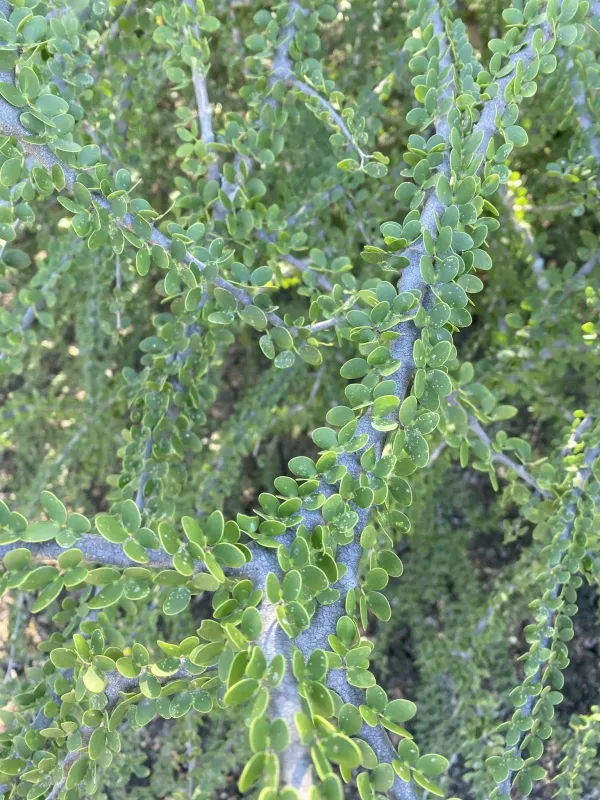
Description
Sowing dates
Bulnesia sarmientoi is a slow-growing species, and its propagation in nurseries requires careful attention to detail. Seeds should be sown in a well-draining substrate composed primarily of coarse sand and perlite to prevent water stagnation.
The optimal sowing period is just before the onset of the rainy season, which supports the establishment of seedlings during their critical early growth phase. Germination typically occurs best at constant temperatures between 25 and 30 degrees Celsius.
Seeds often possess a hard, protective coat that necessitates pre-sowing scarification to facilitate moisture absorption and trigger germination. Once seedlings emerge, they must be kept in partial shade to avoid heat stress.
Transplanting into the field should only occur when the plants have reached a height of at least 30 centimeters. This ensures the young trees have sufficient root depth to withstand the competition from native grasses and shrubs.
Proper spacing between trees is crucial for ensuring sufficient light penetration and air circulation, typically requiring a distance of at least 4-5 meters in plantation settings.
Growing requirements
Belonging to the Zygophyllaceae family, this species is native to the dry tropical forests of the Gran Chaco region. It thrives in well-drained, nutrient-poor sandy soils and shows a remarkable tolerance to alkaline conditions.
The tree is exceptionally drought-tolerant and adapted to harsh climatic conditions characterized by long periods without rainfall. While it can survive on minimal water, supplemental irrigation during the first years significantly improves survival rates.
High light exposure is essential for the healthy development of this species. It is an obligate heliophyte, and even moderate shading can severely restrict the growth rate and structural integrity of the tree.
Protection from severe, cold winter winds is necessary in the early years of development to prevent trunk cracking and damage to tender shoots. The soil must remain loose to allow for deep root penetration, which is vital for long-term stability.
The cultural maintenance involves periodic weeding and the application of a thin layer of organic mulch to regulate soil moisture, although excessive nitrogen fertilizers should be strictly avoided.
Yield
The yield of Bulnesia sarmientoi is quantified by the production of high-density heartwood, which is prized for its aromatic resin content. Commercial harvest is typically delayed for several decades to allow for maturation.
The economic value is largely derived from the essential oil extracted from the wood through steam distillation. The oil content per kilogram of wood increases significantly as the tree reaches its physiological maturity.
Sustainable plantation management aims to balance the slow growth rates with regular, staggered planting cycles. This ensures a consistent future supply of raw material for the fragrance and pharmaceutical industries.
Beyond the heartwood, the processing of branches and twigs provides a sustainable source for secondary products like Palo Santo wood chips used in traditional and aromatherapy applications.
The productivity per hectare is considered moderate, reflecting the inherent characteristics of the species, but the high market value of its extractives justifies the long-term investment in cultivation.
Main diseases and pests
Root rot, primarily caused by Fusarium species, is the most critical threat to young plantations, especially where drainage is suboptimal. Preventing waterlogging is the most effective management strategy against this disease.
Insect pests such as wood-boring beetles can inflict significant damage on mature trees. Regular inspections of the bark are necessary to detect the presence of borers before they reach the heartwood.
Weed competition represents a major threat during the establishment phase, as invasive species can rapidly outcompete young seedlings for water and nutrients. Mechanical weed control is preferred over chemical herbicides.
Excessive humidity can encourage the growth of pathogenic fungi on foliage, leading to leaf drop and decreased photosynthetic capacity. Proper site selection and spacing are the best preventive measures.
Integrated pest management, focusing on early detection and removing infected individual trees, is essential to keep the plantation healthy without over-relying on synthetic chemicals.
Harvesting
Harvesting involves the selective removal of mature trees that have reached the targeted age of exploitation. The process includes the strategic separation of the aromatic heartwood from the outer sapwood.
Post-harvest, the wood should be stored in a dry, ventilated area to stabilize its moisture content. This prevents the degradation of aromatic compounds before the final processing or distillation occurs.
The heartwood is mechanically processed into small chips to maximize the surface area during the essential oil extraction process. Precision in chip size directly affects the efficiency of steam distillation.
Secondary processing involves the distillation of oils, while the residual wood fibers are often reused as fuel or for secondary aromatic applications to minimize waste.
Effective harvest planning must strictly adhere to sustainability guidelines to avoid the over-exploitation of natural or plantation-grown resources, ensuring the viability of the species.