
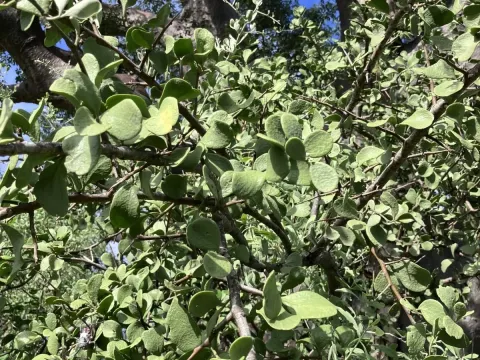
Balanites
Balanites Delile
Balanites (specifically the species Balanites aegyptiaca) is primarily propagated through seeds. Sowing is carried out in prepared nurseries or directly into the soil at the beginning of the rainy season.
What the section contains

Balanites
To ensure a high germination rate, it is recommended to clean the seeds from the fruit pulp and soak them in water to soften the hard endocarp.
In natural conditions, germination occurs during periods of soil moisture, so artificial irrigation during the initial stages is crucial for developing the root system.
Planting density depends on the purpose: closer spacing is practiced for timber production, while wider spacing is preferred for fruit harvesting to allow crown development.
An important factor during sowing is selecting a site with good drainage to avoid water stagnation, which is detrimental to young seedlings during their first weeks of growth.
Balanites is a typical xerophyte, perfectly adapted to survival in the extremely arid regions of Africa and the Middle East.
The culture belongs to the Zygophyllaceae family and possesses a powerful taproot that penetrates deep into the soil to access water reserves.
The plant is highly demanding regarding light exposure and cannot tolerate shading; therefore, open sites with a full solar cycle are mandatory for optimal growth.
The crop is not particular about soil types, but it yields the best results in sandy loam and light loamy soils with a neutral or slightly alkaline pH.
The temperature optimum for vegetation ranges from +25 to +40 degrees Celsius, although mature trees can withstand brief frost and long periods of drought.
The productivity of Balanites is evaluated by the volume of oil-rich fruits and the timber, which is renowned for its exceptional hardness and durability.
An average mature tree can produce up to 100–150 kg of fruit annually, depending on the age of the plant and the management practices employed in the current season.
The fruit kernel contains approximately 40-50% high-quality oil, which shares organoleptic characteristics similar to extra virgin olive oil.
Harvesting takes place after full maturation, when fruits acquire a characteristic brownish hue, indicating the accumulation of maximum fat content.
The economic efficiency of the crop increases with advanced processing, including extracting biodiesel from oils and utilizing the press cake as a high-protein animal feed supplement.
Despite its high resilience, Balanites can suffer from fungal diseases when subjected to excessive irrigation and poor aeration in the root zone.
The main pests of the culture include various phytophagous insects and weevils, which can damage seeds both on the tree and during storage post-harvest.
Young shoots are susceptible to attacks by locusts, which can cause significant damage to the foliage and retard growth in the early stages.
Disease prevention relies on strict adherence to agronomic standards, maintaining necessary spacing between plants, and ensuring proper drainage.
In the event of mass pest outbreaks, environmentally friendly insecticides are applied, though the best defense remains maintaining the overall health and vigor of the tree.
Harvesting Balanites fruits is done manually or by light shaking, as the fruits have a tough skin and are not easily damaged when falling onto a prepared surface.
The optimal harvest time is determined visually: fruits must be fully developed, and their pulp begins to soften and release a distinct aroma.
After collection, the fruits require shade drying to prevent mold growth and to ensure long-term stability of the seeds before industrial processing.
Balanites timber is harvested only after the period of active fruiting concludes or during regular sanitary pruning within the plantation management cycle.
It is vital to monitor the quality of the raw material during the harvest stage, as seed cleanliness directly impacts the oil extraction yield and chemical stability during storage.