
Buffalograss
Buchloe dactyloides (Nutt.) Engelm.
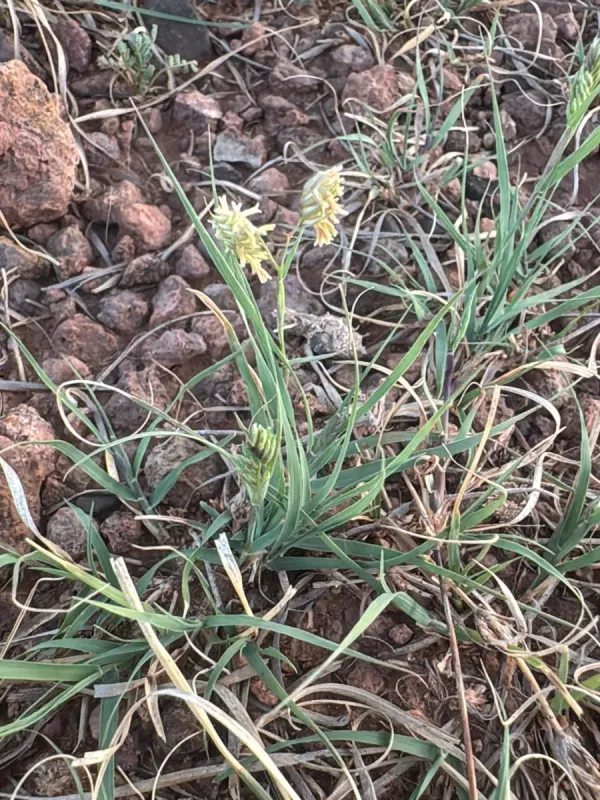
Description
Sowing dates
Buffalograss is a warm-season perennial that requires warm soil temperatures for successful germination. The ideal time to sow seeds is late spring when soil temperatures reach 20°C (68°F) or higher.
Proper seedbed preparation is essential. The soil should be well-drained and clear of competing weeds, as this grass establishes slowly in its first growing season.
Seeds should be planted at a shallow depth of approximately 1 cm. Keeping the surface consistently moist during the first 14 to 21 days is critical for germination success.
In addition to seeding, stolonizing is a common commercial method for establishing large areas, providing a more uniform cover in a shorter timeframe compared to seeds.
After seeding, rolling the surface helps ensure the necessary soil-to-seed contact, which significantly improves the establishment rate for this small-seeded species.
Growing requirements
Buffalograss is native to the shortgrass prairies of North America and is renowned for its exceptional adaptation to arid and semi-arid environments.
This grass thrives in full sun and requires minimal water once established, making it an excellent choice for xeriscaping and areas with water usage restrictions.
It adapts well to various soil types, ranging from heavy clay to sandy loam, and shows a remarkable tolerance to alkaline soil conditions and salinity.
Maintenance requirements are significantly lower than traditional turfgrasses, as it requires less frequent mowing and rarely needs fertilization to maintain its health.
The plant possesses a deep and extensive root system that allows it to survive prolonged droughts by utilizing moisture from deeper soil layers that are inaccessible to other grasses.
Main diseases and pests
Buffalograss is generally considered a low-maintenance, hardy plant with few significant pest or disease problems, provided it is grown in the right environment.
Leaf spot and other fungal diseases may occur during extended periods of high humidity or poor air circulation, but these are rarely fatal to the stand.
Occasional infestations of soil-borne insects, such as white grubs, can cause damage to the root system, necessitating localized monitoring and intervention.
The biggest threat to a healthy buffalograss stand is over-watering and overcrowding by aggressive, broad-leaf weeds or invasive grass species that thrive in wetter conditions.
Integrated Pest Management for this crop focuses primarily on promoting vigorous growth through proper irrigation management and preventing conditions that favor fungal pathogens.