
Bouteloua repens
Bouteloua repens (Kunth) Scribn.
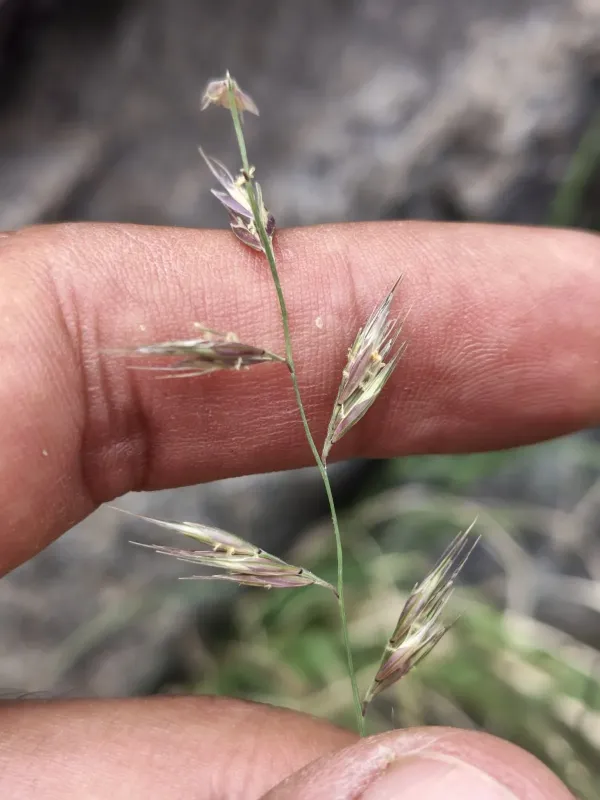
Description
Sowing dates
Bouteloua repens, commonly known as slender grama, is a perennial grass species belonging to the Poaceae family. Propagation primarily occurs via seeds, which require specific temperature conditions for germination, typically associated with late spring or early summer heat.
Successful establishment depends on shallow sowing depth. Since the seeds are small, covering them with a thin layer of soil or lightly raking them into the surface ensures they receive sufficient light while remaining in contact with moisture-retaining soil particles.
In arid climates, seeding is often timed to coincide with the arrival of seasonal rains. This strategy maximizes the chances of seedling survival during the delicate germination and early root development phases.
Field preparation must focus on eliminating competitive weeds. Slender grama seedlings grow slowly and can be easily outcompeted by more aggressive invasive plant species during the first weeks after germination.
Large-scale establishment often involves mechanized seeding followed by light rolling to improve soil-to-seed contact. Mulching with straw can also be beneficial to maintain soil surface humidity in hot, dry conditions.
Growing requirements
Slender grama is highly adapted to semi-arid environments, favoring well-drained soils ranging from sandy loams to rocky substrates. It exhibits excellent resistance to drought, making it an ideal candidate for land restoration in dry regions.
Full sun exposure is a mandatory requirement for this species. It does not tolerate shade, and productivity drops significantly if the grass is shaded by trees or taller vegetation. Photosynthesis in this species is highly efficient under high-light conditions.
The plant thrives in soils with neutral to slightly alkaline pH levels. While it is not highly demanding regarding fertility, adequate phosphorus levels can help strengthen the root system during the initial establishment year.
This grass is not suited for high-moisture environments. Waterlogged soils lead to root hypoxia and crown rot, which can destroy the stand quickly. Consequently, site selection must prioritize high-elevation or sloping areas with excellent natural drainage.
Temperature tolerance is a hallmark of Bouteloua repens. It remains active throughout the hot summer months, entering dormancy only when temperatures drop significantly or moisture becomes completely unavailable.
Yield
Bouteloua repens is valued primarily as a forage grass in extensive livestock management systems. It maintains its nutritional value longer than many other native grasses during the transition into the dry season.
Yield capacity is dictated by rainfall patterns. While it does not produce the high biomass volume of irrigated perennial grasses, its reliability in drought-prone areas provides a consistent, albeit modest, supply of forage.
Grazing management is crucial. Overgrazing can deplete the plant's carbohydrate reserves in its root system, reducing its ability to recover in the following season. Rotational grazing is recommended to ensure long-term stand health.
Seed harvesting is challenging due to non-uniform ripening of the inflorescences. Seed collection typically requires specialized equipment or manual gathering, which contributes to the relatively high cost of obtaining quality seeds for commercial cultivation.
The grass is an excellent choice for erosion control on hillsides and degraded rangelands, where its deep root system stabilizes the soil and improves overall infiltration rates.
Main diseases and pests
Slender grama is naturally robust and faces few significant disease pressures. Root rot remains the primary threat, appearing almost exclusively in instances where soil drainage is inadequate or moisture levels remain high for extended periods.
Insect pests such as leaf-eating caterpillars or grasshoppers can cause damage during summer. However, these rarely reach thresholds requiring chemical intervention, as the ecosystem usually maintains a balance with natural predators.
The greatest threat is the encroachment of invasive annual weeds. If the stand is not managed properly or is subjected to excessive fertilization, opportunistic weeds can take over, reducing the vitality of the slender grama.
Chemical weed control is rarely necessary and often counterproductive. Many common herbicides can damage Bouteloua repens, so mechanical control or strategic grazing should be the primary methods for managing unwanted vegetation.
- Ensure optimal drainage to prevent fungal diseases.
- Monitor for competitive weed encroachment during establishment.
- Avoid nitrogen over-application.
- Implement rotational grazing to maintain stand vigor.