
Bouteloua rothrockii
Bouteloua rothrockii Vasey
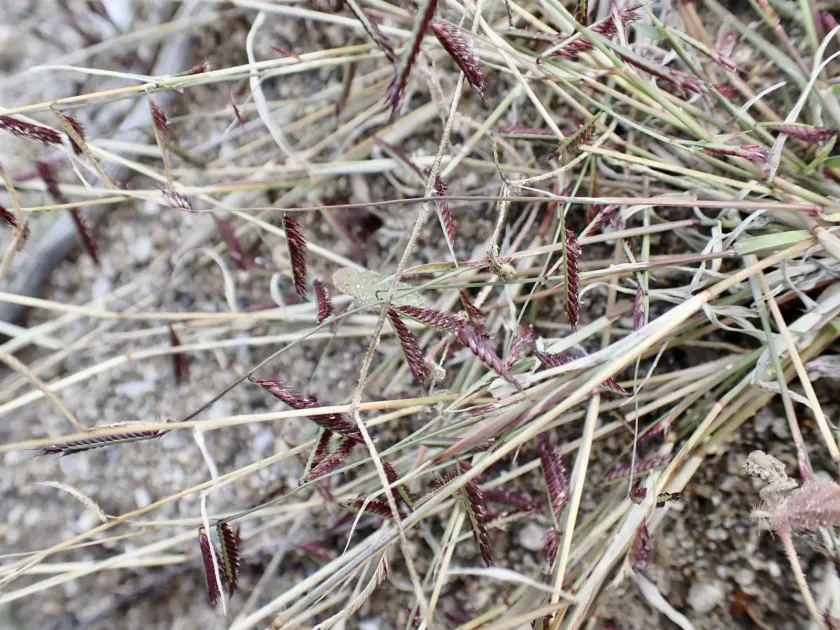
Description
Sowing dates
Bouteloua rothrockii is a warm-season grass, which requires relatively high soil temperatures to ensure optimal germination and seedling establishment.
Sowing should be scheduled during the period immediately preceding the rainy season to provide the young plants with necessary moisture for root development.
Seeds should be planted at a shallow depth of approximately 1 to 2 centimeters, using specialized grassland seeders to ensure proper soil-to-seed contact.
Avoiding deep placement is crucial, as the small seeds possess limited energy reserves required to push through thick layers of soil during emergence.
Post-sowing management includes light compaction to help stabilize the seedbed and reduce evaporation losses from the upper soil layers.
Growing requirements
As a member of the Poaceae family, this species is highly adapted to semi-arid regions and thrives in environments where other forage crops might struggle.
The plant prefers well-drained, sandy, or rocky soil types and is sensitive to waterlogging, which can cause root rot and decrease plant vigor.
Full sun exposure is a non-negotiable requirement for this grass, as it lacks the physiological adaptations to perform well under shaded conditions.
It is remarkably resilient to heat, making it an excellent candidate for regions experiencing extreme summer temperatures and intermittent rainfall.
Soil pH levels ranging from neutral to slightly alkaline are ideal for sustaining a healthy population of this grama grass variety.
Yield
The primary economic value of this culture lies in its utility as high-quality forage for livestock, particularly in arid and semi-arid grazing systems.
During the active growth phase, it provides essential nutrients, which supports weight gain and overall health in cattle and wild ungulate populations.
The yield of green biomass is strongly correlated with annual precipitation patterns, yet the grass maintains its presence even during drier seasons.
When managed correctly through rotational grazing, it demonstrates superior regrowth capacity compared to many other indigenous grass species.
Beyond its value as a feed source, its dense root structure contributes to soil stability and aids in the prevention of erosion in vulnerable areas.
Main diseases and pests
This species is naturally robust and shows low susceptibility to most standard agricultural pests that commonly infest cereal or pasture grasses.
The most significant threat to the health of the stand is overgrazing, which can deplete the plant's carbohydrate reserves and weaken its long-term survival.
Invasive weed species can pose a serious threat by competing for limited moisture and nutrients, especially in the early stages of establishing a stand.
Fungal diseases are rarely a problem unless the stand is subjected to prolonged periods of excessive moisture or improper irrigation management.
Periodic monitoring and maintaining appropriate stocking rates are the most effective strategies for mitigating risks associated with pests and diseases.
Harvesting
Seed harvesting is a complex process due to the asynchronous maturation of seed heads, requiring multiple passes or specialized collection technology.
For forage production, mowing should be performed before the plant reaches full maturity to capture the peak nutritional value of the foliage.
Proper cutting height is vital; it is recommended to leave at least 5 to 7 centimeters of stubble to protect the crown and ensure vigorous regrowth.
Post-harvest management involves careful drying of the biomass to prevent spoilage and maintain the quality of the fodder during storage.
Effective harvest practices ensure that the stand remains productive for years, providing a consistent return on investment for the landowner.