
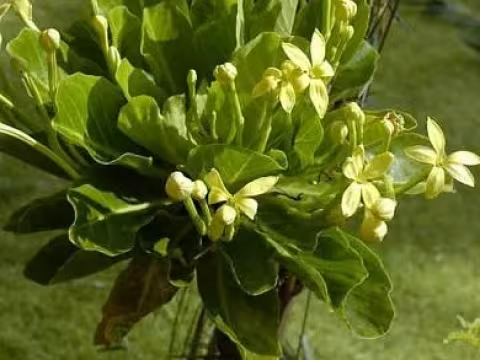
Brighamia
Brighamia
Brighamia belongs to the Campanulaceae family and is a unique stem succulent that resembles a miniature palm with a thick, fleshy caudex-like trunk.
What the section contains

Brighamia
The plant is endemic to the Hawaiian Islands, traditionally growing on steep cliffs. In a controlled agricultural environment, it requires bright, indirect light, as direct sun can scorch its leaves.
For successful cultivation, a lightweight, well-aerated soil mixture with superior drainage is essential. A standard succulent substrate enriched with perlite or coarse sand helps prevent water stagnation.
The temperature should remain stable, ideally between 18 and 25 degrees Celsius. Brighamia is extremely sensitive to drafts, sudden temperature shifts, and proximity to heating appliances, which often leads to leaf drop.
Irrigation should be moderate and performed only after the top layer of soil has completely dried out. Overwatering is the most common cause of root rot, especially during the plant's dormancy phase.
The primary pests affecting Brighamia in indoor settings are spider mites and mealybugs, which thrive in environments with low air humidity.
If watering protocols are ignored, the plant becomes highly susceptible to bacterial and fungal infections that cause the decay of the stem base and root system.
Lack of proper air circulation can lead to the development of mold on the leaves, making consistent, gentle ventilation essential for plant health.
Preventative measures include regular visual inspections of the foliage and trunk, as well as quarantine procedures for any new additions to the plant collection.
If pest infestation occurs, it is recommended to apply systematic insecticides or acaricides, ensuring strict adherence to the manufacturer's dosage guidelines.