
Bolognese bellflower
Campanula bononiensis
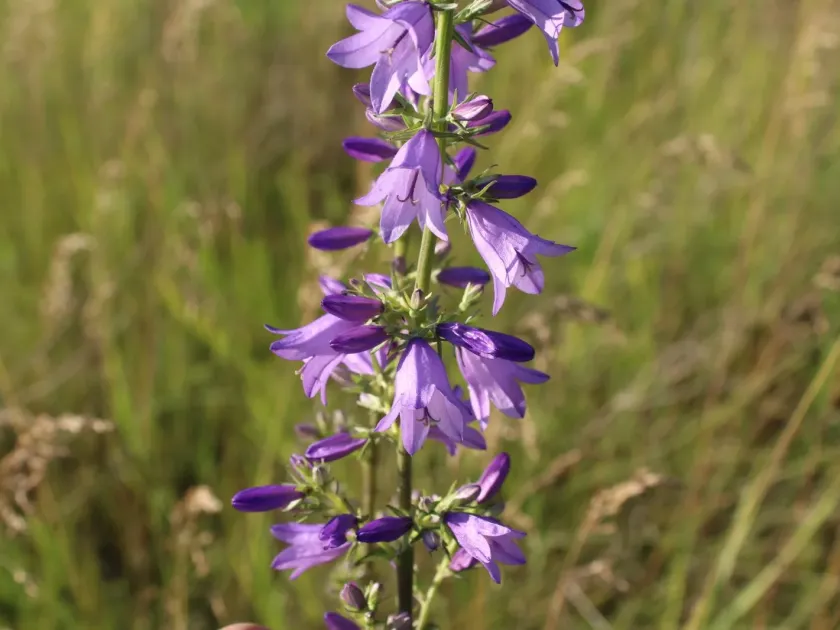
Description
Sowing dates
Sowing the Bolognese bellflower is best achieved through autumn seeding, as the seeds require a cold stratification period to break dormancy effectively. This natural process significantly enhances germination rates when temperatures rise in spring.
For spring sowing, it is essential to treat seeds in cold storage for about a month before planting. Seeds should be sown on the surface of finely prepared soil, as they require light to germinate optimally and should not be buried deep.
The planting area must be cleared of weeds to ensure that the slow-growing seedlings are not outcompeted in their initial growth phase. Gentle pressing of the seeds into the soil surface provides sufficient contact for successful establishment.
Once seedlings emerge, thinning is necessary to ensure each plant has adequate space. A spacing of 25–30 centimeters is ideal to prevent overcrowding and to promote healthy air circulation, which is critical for foliage and bloom development.
The first year of cultivation focuses on the development of a basal rosette and a robust root system. The primary floral display, characteristic of the species, typically occurs from the second year onwards as the plant reaches maturity.
Growing requirements
The Bolognese bellflower, a member of the Campanulaceae family, is a herbaceous perennial known for its distinctive spikes of violet-blue flowers. It is native to various European regions and thrives in open, sunny habitats.
This species is highly adaptable to a variety of soil types, including sandy and rocky soils, provided they offer good drainage. It is particularly well-suited for naturalistic garden designs, meadow borders, and rock gardens.
One of the key agronomic benefits of this plant is its notable drought tolerance once established. It is an ideal candidate for low-maintenance landscapes where water conservation is a priority throughout the growing season.
In terms of climate, the plant exhibits excellent winter hardiness. It survives effectively in diverse temperate conditions and does not require specialized protection against frost, provided the soil drainage is maintained.
Regular maintenance involves removing spent flower spikes to encourage secondary blooming and to maintain a neat aesthetic. While not overly demanding, a light application of balanced fertilizer in the spring supports vigorous growth.
Main diseases and pests
Fungal diseases, specifically powdery mildew, are the primary health concern for this crop, especially in environments with high humidity or poor airflow. Prevention requires maintaining proper plant density and selecting airy sites.
Root rot represents a significant risk if the soil remains waterlogged for extended periods. Ensuring a well-drained planting site and avoiding excessive irrigation are critical measures to prevent the development of such pathogens.
Aphids and slugs can cause damage to the foliage and buds during the active growing season. While aphids can be controlled with organic insecticidal soaps, slugs often require physical barriers or baiting for effective management.
Maintaining clean planting beds by removing decaying organic matter significantly reduces the pressure from soil-borne diseases. Sanitization is a fundamental aspect of the agronomic management of this perennial plant.
Overall plant resilience is high, but periodic monitoring during the early summer is recommended. Detecting potential infestations or infections early allows for quick intervention, preserving the overall aesthetic and health of the colony.