
Campanula alpestris
Campanula alpestris
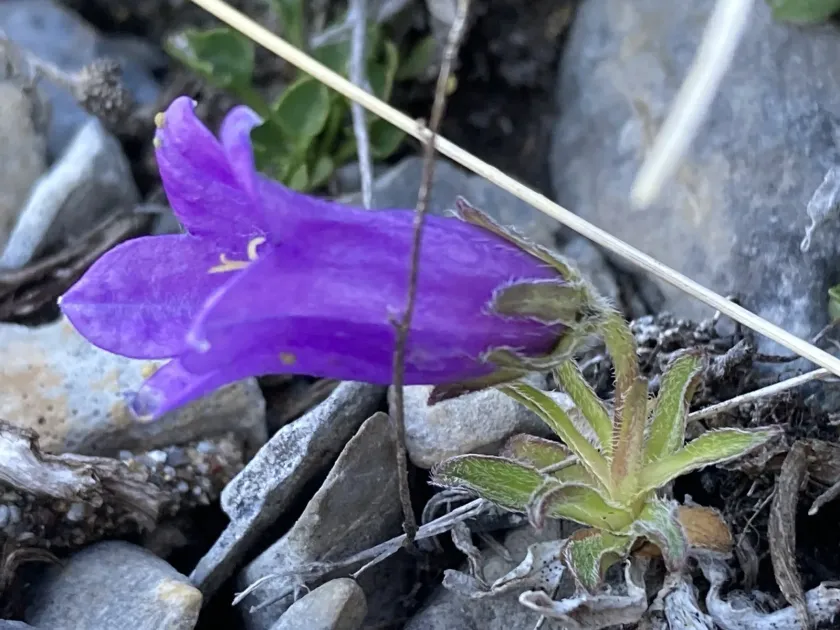
Description
Sowing dates
Seeds of Campanula alpestris are best sown in autumn in open ground or containers to allow for natural stratification. The optimal period is October or November, when soil temperatures stabilize at lower levels.
If sowing indoors, start in February or March using a loose, well-draining substrate mixed with sand. Scatter the seeds on the surface without deep burial, as light exposure is necessary for successful germination.
Maintain the temperature at 15–18 degrees Celsius during the germination process. Seedlings usually emerge within 3–4 weeks, requiring regular but moderate moisture without waterlogging the substrate.
Pricking out the seedlings should be done when two true leaves have formed. It is crucial to provide ample space, as the root system of this species develops slowly and is sensitive to physical disturbance.
Transplanting to a permanent location is best performed in spring after the danger of frost has passed, selecting well-drained spots that replicate the plant's natural mountain habitat.
Growing requirements
Campanula alpestris is a quintessential alpine plant belonging to the Campanulaceae family. It is naturally adapted to the harsh conditions of high-altitude regions, with its primary range being the European Alps.
The culture has strict soil requirements: it thrives in poor, highly permeable soil containing a significant percentage of crushed stone or gravel. Poor drainage leading to root saturation is lethal to this species.
The plant prefers sunny locations; however, in regions with extremely hot summers, partial shade during the hottest midday hours is recommended. Avoid areas with high water tables or sites where meltwater accumulates.
The plant is hardy and well-adapted to cold winters, though it may suffer from dampness if covered by dense, wet snow or rotting leaves. A good drainage system is essential to keep the root collar dry.
Maintenance involves regular weeding and topping up the gravel mulch around the plants. This simple technique protects the delicate stems from direct contact with wet soil and promotes better airflow.
Main diseases and pests
Fungal diseases caused by excessive moisture pose the greatest threat to Campanula alpestris. Root rot and fusarium can quickly affect the plant if irrigation and drainage protocols are ignored.
Slugs and snails are the most common pests, often feeding on the tender foliage during damp weather. Using gravel mulch and physical barriers can effectively reduce pest pressure on the garden.
Aphids may infest young flower stalks during the budding phase, depleting the plant's resources. Regular inspection is advised, followed by the application of systemic insecticides if infestations become severe.
Disease prevention is based on strictly controlled irrigation and ensuring high soil aeration. Always water at the base of the plant rather than overhead to prevent moisture from pooling in the center of the rosettes.
If signs of rot are detected, remove the affected tissues immediately and treat the wound with crushed charcoal. The surrounding soil should be treated with systemic fungicides to prevent further spread.