
Leathery grape fern
Botrychium multifidum
Description
Growing requirements
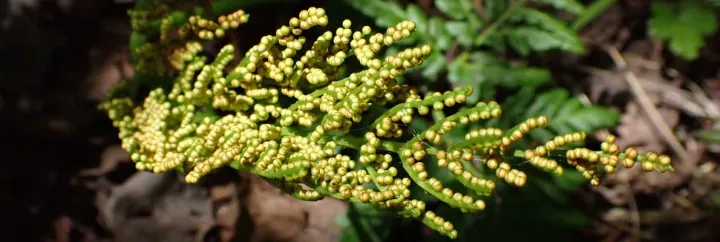
The leathery grape fern (Botrychium multifidum) is a distinctive perennial plant belonging to the Ophioglossaceae family. Unlike common ferns, this species is characterized by a single sterile leaf blade that is deeply divided and a separate fertile stalk that carries spore-bearing structures resembling a grape cluster.
The origin of this species is spread across the temperate regions of the Northern Hemisphere. It is typically found in diverse habitats, ranging from damp meadows and forest clearings to exposed sandy areas. Its distribution is closely linked to the availability of stable, undisturbed ecological niches.
Environmental requirements for Botrychium multifidum are quite stringent. It relies heavily on mycorrhizal associations for nutrient uptake, particularly in its subterranean gametophyte stage. The soil should be well-drained, slightly acidic, and free from excessive chemical fertilizers or pollutants.
Regarding climate, the plant is well-adapted to cool temperate conditions with clearly defined seasons. It demonstrates significant cold tolerance, which is essential for survival in northern latitudes. However, it requires a consistent layer of mulch or snow cover to protect its crown during severe winter frost.
In terms of human use, the leathery grape fern is primarily valued for its scientific and conservation significance. It is not cultivated for agricultural production; however, its presence serves as a primary indicator of healthy soil fungal communities and intact ecological processes in protected natural sites.
Main diseases and pests
The primary threats to this species include habitat degradation, such as deforestation, intensive agricultural development, and urban expansion. Because the plant relies on a specialized subterranean lifestyle, physical disturbance of the soil surface is often fatal to its reproductive cycle.
Invasive weed encroachment represents another major challenge. As the plant is relatively slow-growing, it cannot compete effectively with taller, faster-growing grasses or invasive shrubs. Overcrowding reduces light availability and disrupts the delicate balance required for the growth of its spores into new sporophytes.