
Boehmeria virgata
Boehmeria virgata
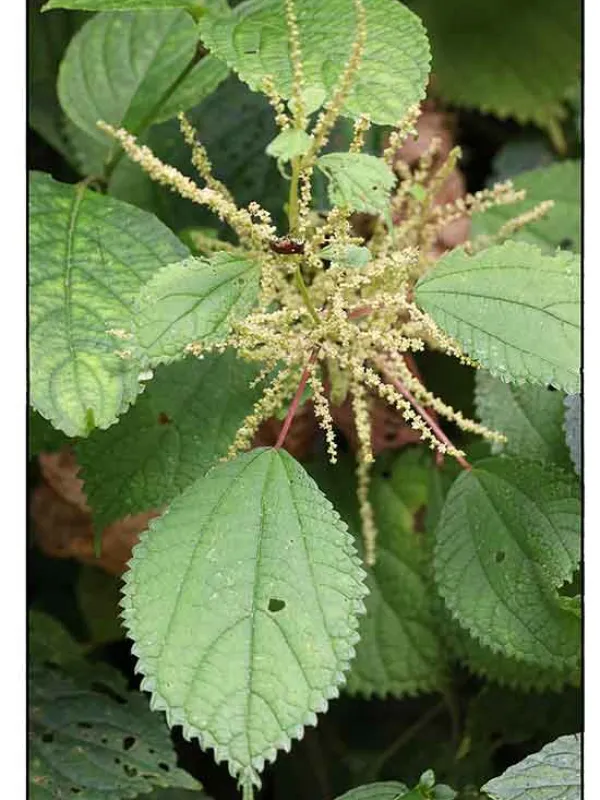
Description
Growing requirements
Boehmeria virgata is a perennial herbaceous plant belonging to the Urticaceae family. It is recognized for its high-quality bast fibers, which are extracted from the stem and used for various technical and textile applications due to their exceptional tensile strength.
The plant originates from tropical and subtropical regions. It thrives in climates characterized by consistently warm temperatures and high humidity levels. It lacks frost tolerance and requires a long growing season to produce mature, high-fiber stalks.
Regarding soil requirements, Boehmeria prefers deep, fertile, and well-drained loamy soils. A neutral or slightly acidic pH is ideal for nutrient absorption. Poor drainage or waterlogged conditions are highly detrimental to the root system and fiber quality.
Consistent moisture management is critical during the vegetative phase. While the crop requires substantial water, it must be balanced to avoid fungal issues. Adequate spacing is necessary to allow for proper air circulation, which helps manage humidity levels around the foliage.
Fertilization regimes for Boehmeria virgata should focus on nitrogen supply, as the goal is to maximize vegetative biomass. Regular applications of organic matter or compost are recommended to maintain soil structure and promote long-term plant vigor.
Main diseases and pests
Root rot is the most significant threat to this crop, typically appearing in poorly drained fields. Once the root system is compromised, the plants exhibit wilting, and the fiber quality in the stem rapidly degrades, making harvesting futile.
Foliar diseases, such as fungal leaf spots, can proliferate in humid conditions where air circulation is insufficient. These pathogens consume leaf tissue, which significantly limits the plant's ability to photosynthesize and store energy for fiber development.
Insect pests like aphids and spider mites are known to infest the tender parts of the plants. Their feeding activity can stunt growth and cause physical distortion of the leaves, indirectly reducing the yield of usable raw material.
Effective management requires a proactive approach, emphasizing preventive measures such as ensuring proper field sanitation. Removing infested plant debris after the growing season helps to break the cycle of common pests and diseases.
Integrated pest management strategies are highly recommended for Boehmeria. By utilizing natural predators and maintaining healthy soil conditions, growers can reduce their reliance on chemical treatments, thereby preserving the environmental standard of the final fiber product.