
Boehmeria japonica
Boehmeria japonica
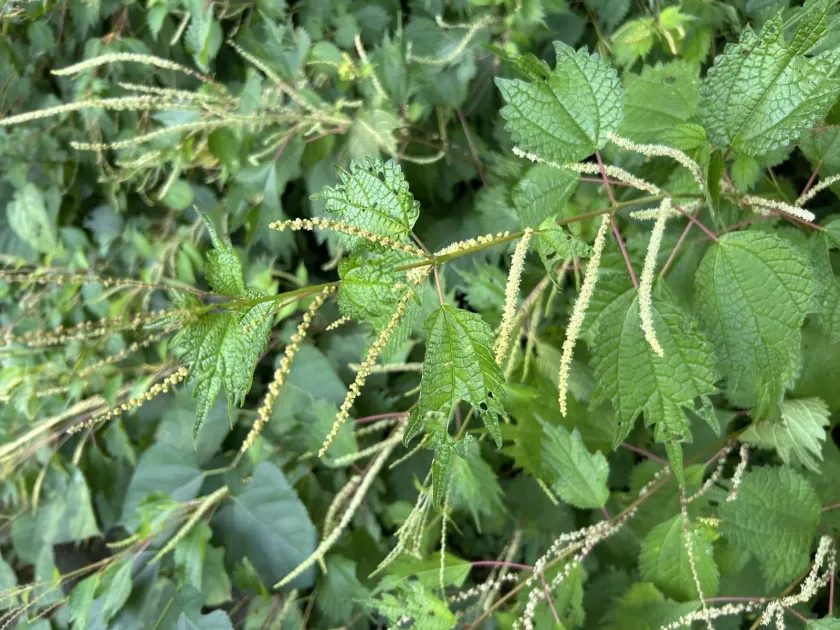
Description
Sowing dates
Sowing of Boehmeria japonica is best performed in the spring when soil temperatures reach 12–15 degrees Celsius. This temperature range is crucial for ensuring rapid germination and the development of a robust root system during the initial growth phase.
Using seedlings is often considered the most efficient method, as it significantly reduces competition from weeds in the early stages and allows plants to establish more quickly in the field. For direct seeding, a shallow planting depth of 1–2 centimeters is recommended.
Planting density should be managed to ensure adequate space for each plant, which promotes the growth of high-quality fiber stems. Standard row spacing is usually maintained between 40 and 60 centimeters for optimal development.
The chosen site for cultivation should be well-lit but protected from strong winds. Avoiding low-lying areas with poor drainage is essential, as the root system of Boehmeria is highly sensitive to waterlogging and soil saturation.
Soil preparation involves deep tilling and the application of organic fertilizers to provide the necessary nutrients for biomass accumulation. Ensuring good soil structure is vital for maximizing the quality and quantity of the harvest.
Growing requirements
Boehmeria japonica, belonging to the Urticaceae family, is a perennial herbaceous plant native to East Asia. It is primarily cultivated for its strong, durable bast fibers, which have been used for centuries in textile production and high-quality papermaking.
The crop thrives in warm and humid climates, with optimal growth occurring at temperatures between 20–28 degrees Celsius. While it can adapt to various conditions, consistent moisture and warmth are key to achieving maximum stem length.
The ideal soil for this crop is loose, well-draining, and rich in organic matter with a neutral to slightly acidic pH. Nitrogen availability is a primary factor in promoting the vegetative growth necessary for fiber production.
Agronomic management includes regular weeding and irrigation during dry spells to maintain steady growth. Consistent moisture levels are particularly important, as drought can cause the stems to become woody and decrease the overall quality of the extracted fiber.
As a perennial crop, Boehmeria responds well to balanced nutrient management and proper soil aeration. Maintaining good field hygiene helps ensure that the plants remain productive for several years within the same plot.
Main diseases and pests
Boehmeria japonica is susceptible to several fungal diseases, especially in environments with high humidity. Powdery mildew is a common issue that manifests as a white coating on the leaves, which can inhibit photosynthesis if left unmanaged.
Pests like aphids and spider mites can cause significant damage to young shoots. Regular scouting and monitoring are essential for early detection, which allows for the use of non-chemical controls whenever possible to maintain crop health.
Root rot is a critical threat that typically occurs in waterlogged soil. To prevent this, growers must ensure adequate field drainage and practice regular cultivation to break up soil crusts and promote aeration around the root zone.
Good agricultural practices, such as crop rotation and the thorough removal of plant debris after harvest, are vital for disease prevention. Destroying infected material helps break the disease cycle and minimizes the spread of fungal spores in the soil.
In regions prone to severe weather, strong winds can cause physical damage to tall stems, which provides entry points for pathogens. Planting protective buffers can help safeguard the crop from such mechanical stresses.
Harvesting
Harvesting Boehmeria japonica is performed when the plants reach technical maturity, characterized by optimal fiber development and stem strength. This phase typically occurs at the end of the flowering period, before significant seed set.
The harvest is carried out by cutting the stems, either mechanically or manually, at the base. Following the harvest, the stems undergo preliminary processing, which includes defoliation and sorting based on length and quality.
The extraction of fiber from the stem is a precise process that requires specific methods, such as retting or mechanical decortication. The skill applied during these stages determines the final strength, flexibility, and overall value of the fiber.
Drying is performed in sheltered, well-ventilated areas to prevent exposure to direct sunlight, which can degrade the fiber quality and affect its color. Proper drying is essential to prevent mold growth during the initial processing phase.
After processing, the fiber is sorted and bundled for final industrial use. Storage must occur in cool, dry facilities to maintain the integrity of the natural fibers and ensure long-term stability until the material is processed into textiles.