
Boehmeria penduliflora
Boehmeria penduliflora
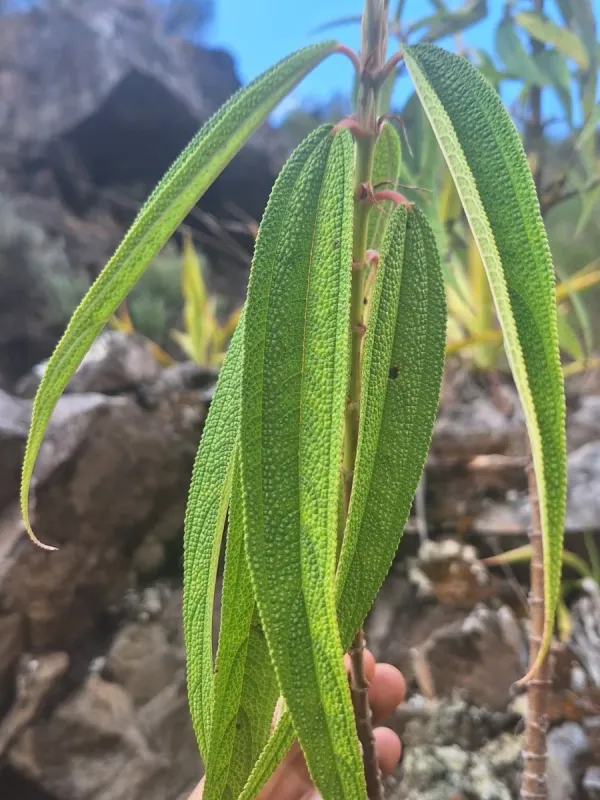
Description
Sowing dates
Boehmeria penduliflora is a perennial plant within the Urticaceae family, recognized for its potential as a high-quality fiber source. Propagation can be achieved through both seeds and vegetative means, such as rhizome division or stem cuttings, which are preferred for maintaining genetic uniformity in commercial plantations.
Sowing or planting typically occurs in the spring after the danger of frost has passed and soil temperatures have reached a stable level, usually above 15 degrees Celsius. This timing is critical to ensure rapid root establishment before the onset of the peak growing season.
The field preparation must involve deep plowing to improve soil aeration and the incorporation of organic matter. Rhizome sections are usually planted in trenches, spaced adequately to allow for individual plant development and to minimize competition for nutrients during the initial phase.
Plant density depends on the intended fiber characteristics; closer spacing promotes taller, thinner stems with fewer lateral branches, which are ideal for high-quality bast fiber. A standard spacing of 40 to 60 centimeters between plants is common practice for professional cultivation.
Adequate irrigation during the establishment phase is essential. Implementing a moisture-conserving strategy, such as mulching or drip irrigation, helps maintain a stable environment around the roots, ensuring steady growth and preventing plant stress.
Growing requirements
This species thrives in tropical and subtropical climates, requiring a long, frost-free growing season. It performs best in areas where humidity levels remain high, as these conditions support the lush vegetative growth necessary for fiber production.
The plant demands deep, fertile, and well-drained soils. Loamy soils with good water-holding capacity but excellent drainage are ideal, as the plant cannot tolerate waterlogging, which rapidly leads to root rot and other fungal diseases.
A neutral to slightly acidic soil pH is optimal for nutrient uptake. Regular soil testing is recommended to determine the need for fertilizers, particularly nitrogen, which is the primary driver for stem elongation and biomass accumulation during the vegetative stage.
The plant requires plenty of sunlight to maximize photosynthetic efficiency. While it can tolerate some partial shade, consistent exposure to sunlight is crucial for the development of the structural integrity of the fibers within the plant stems.
Proper nutrient management involves a balanced application of nitrogen, phosphorus, and potassium. Nitrogen supports rapid vegetative development, while phosphorus and potassium contribute to root system strength and overall plant resilience against abiotic stressors.
Yield
The primary economic use of Boehmeria penduliflora is the extraction of its bast fiber, which is renowned for its strength, durability, and soft texture. These fibers are highly valued in the textile industry for producing high-quality fabrics, threads, and technical cords.
Yields are optimized through consistent agricultural management, including timely weeding and fertilizer application. The harvest is generally timed to coincide with the flowering stage, when the fiber is at its peak in terms of length and quality for industrial processing.
Decortication is the standard process for extracting fiber from the stems. Modern automated systems have made this process more efficient, reducing labor costs and improving the overall output quality of the processed fibers compared to traditional manual methods.
Beyond fiber, the by-products of the plant, such as the woody core, can be repurposed for pulp and paper production or as a biofuel source. This multi-use potential enhances the economic viability of the crop for agricultural producers.
The profitability of cultivation depends on integrated supply chains. Establishing processing facilities near the cultivation sites significantly reduces transportation costs and ensures that the raw materials are processed while in optimal condition.
Main diseases and pests
Fungal pathogens represent the most significant threat to the crop, especially in humid conditions where airflow is restricted. Powdery mildew and other leaf spots can reduce the photosynthetic area, causing stunted growth and poor fiber development.
Pests like spider mites and aphids often target the plants during drier periods. These insects extract sap and weaken the plant, making it more susceptible to opportunistic infections and reducing the overall quality of the stems for fiber extraction.
Effective management involves integrated pest and disease control, prioritizing preventative measures. Regular field inspections and the removal of infected plant debris are essential to limit the spread of pathogens throughout the plantation.
Weed control is critical, especially in the first two years of the plantation. Weeds act as vectors for pests and compete for essential resources; therefore, keeping the area clear is vital for maintaining the plant's health and competitive advantage.
A well-nourished and stress-free plant exhibits natural resistance to many common threats. Maintaining high standards of soil fertility and water management is the best defense against major outbreaks of diseases and pest infestations.
Harvesting
The harvest is executed when the stems reach their maximum potential length and the fiber quality is at its peak. Usually, this occurs during or immediately after the flowering period, ensuring that the stalks have sufficiently lignified for structural fiber extraction.
Mechanized harvesters are preferred for larger scales, cutting stems at the base to maximize yield. Proper cutting height is essential to ensure that the regrowth of the plant in the following season is not impeded by damaged root crowns.
After cutting, the stems should be processed promptly to prevent moisture-induced deterioration. Drying the stems to a specific humidity level before storage is necessary to keep the fibers from losing their mechanical properties and to avoid mildew.
Proper handling during post-harvest ensures that the fibers are not broken or tangled, which would decrease their value in the market. Cleanliness and organization during the harvest stage are paramount to meeting high-quality textile industry standards.
Stems must be transported in ventilated containers to prevent self-heating during storage. By implementing strict post-harvest protocols, producers can ensure consistent quality and shelf life of their raw materials until they are ready for industrial decortication.