
Boehmeria longispica
Boehmeria longispica
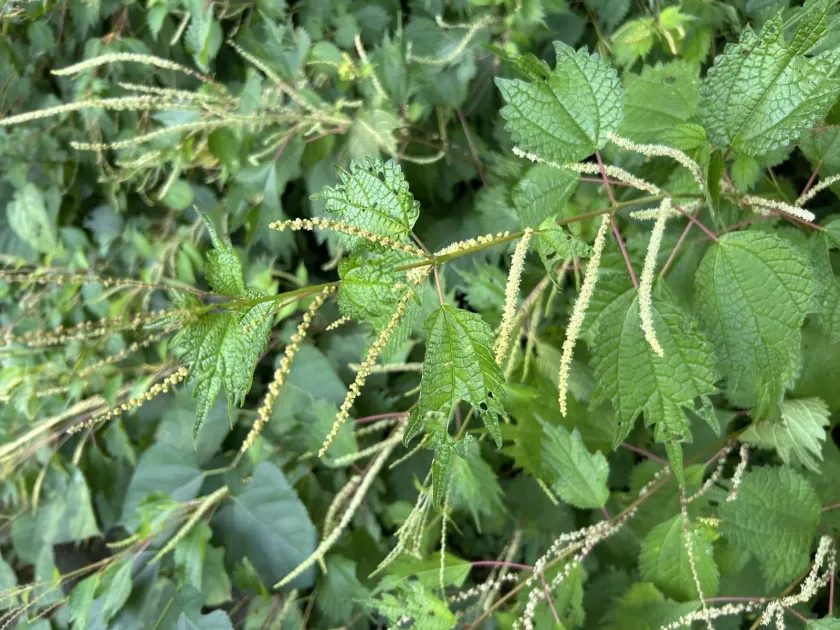
Description
Sowing dates
Boehmeria longispica, a member of the Urticaceae family, is a perennial herb or subshrub. In its natural habitat, it propagates efficiently through both seeds and vegetative methods, making it adaptable to various propagation techniques.
Commercial cultivation typically begins in early spring once soil temperatures reach 12-15 degrees Celsius. Ensuring consistent moisture during the initial rooting or germination phase is vital for achieving uniform stand establishment.
Seeds of this species exhibit high viability, though early season sowing benefits from cold stratification. Vegetative propagation via rhizome division is often preferred in commercial settings for its high success rate and quicker transition to active growth.
Planting density is adjusted based on the end-use goal; high-density planting is favored for fiber production to encourage vertical stem growth and minimize lateral branching. This practice is essential for maintaining the quality and length of the bast fiber.
Regular irrigation during the first months of vegetation is a fundamental requirement for the crop's development. Once established, the plant demonstrates moderate resilience to occasional dry spells, supported by a robust root system.
Growing requirements
The plant thrives in loose, fertile, and well-drained loamy soils. An optimal pH range between slightly acidic and neutral is ideal for nutrient uptake, ensuring strong development of both foliage and stems.
Boehmeria longispica requires sufficient light but prefers open areas that offer light shade during the hottest midday hours, especially in warmer climates. Excessive shading often leads to stem lodging and a reduction in cellulose accumulation.
As a moisture-loving species, it grows most productively in regions with temperate climates and evenly distributed rainfall. Stagnant water in the soil must be avoided, as it significantly increases the risk of root system rot.
Successful industrial-scale growth requires the application of organic fertilizers before plowing. Supplementing with nitrogen during the phase of rapid stem elongation is highly effective in increasing overall biomass yields.
The plant possesses moderate winter hardiness. In regions with severe winters, the aerial parts typically die back, and the rhizomes require protection or hilling to prevent winterkill within the soil profile.
Yield
The economic value of Boehmeria longispica is primarily centered on its strong, durable bast fiber. Its characteristics are closely comparable to ramie, featuring high tensile strength and significant resistance to water-induced degradation.
Green biomass yield is directly dependent on soil fertility and agronomic management. When moisture and nutritional requirements are met, growers can achieve consistently high productivity per hectare throughout the growing season.
The fiber extraction rate from dried stems is significant, positioning this crop as a promising raw material for the textile industry. Modern decortication methods allow for higher purity levels, enhancing the final product's quality.
Beyond textile use, this crop is being evaluated as a source of biomass for pulp and paper production. This versatility broadens the potential for industrial utilization and improves the economic profitability of the crop.
Plantation productivity remains high for several years with consistent annual fertilization. However, periodic rejuvenation through rhizome division is necessary to maintain vigor and prevent the yield decline associated with aging plants.
Main diseases and pests
Common biological threats to this crop include fungal infections such as root rot and powdery mildew. These issues typically emerge in high-density plantings where air circulation is restricted.
Pests like spider mites and various leaf-eating beetles may damage foliage during dry spells. Regular field monitoring is essential to detect these threats early and prevent localized outbreaks from becoming widespread.
Nematodes present a severe challenge to root health, particularly in fields where the crop is grown continuously without rotation. Implementing a diverse crop rotation cycle and using fumigants are effective prevention strategies.
Weed competition is a significant concern during the early growth stages. Keeping the plantation free of weeds for the first two months is critical to prevent the shading and suppression of young Boehmeria shoots.
Under high-humidity conditions, stems may become susceptible to bacterial infections. Protective measures include the application of systemic fungicides and maintaining strict sanitary conditions within the plantation rows.
Harvesting
Harvesting is ideally conducted during the mass flowering phase, as this is when fiber content in the stems reaches its peak. Harvesting at the correct time ensures the stems remain supple enough for efficient processing.
Mechanical mower-choppers are used for biomass intended for pulp, while manual cutting is preferred to ensure long fibers remain intact. Avoiding over-maturity is crucial, as late harvesting leads to increased lignification and lower fiber elasticity.
Following harvest, stems undergo primary processing through water retting or mechanical decortication. Traditional water retting methods often yield superior fiber quality, although they are more labor-intensive and time-consuming.
Drying of the raw material must be carried out in a well-ventilated space, shielded from direct sunlight. Proper drying is vital for preserving the natural color of the fiber and preventing degradation.
Once dried, stems are graded by length and thickness for industrial sorting. Efficient logistics during the harvest and transport stages are essential to minimize losses and protect the integrity of the valuable bast fibers.