
Boehmeria nipononivea
Boehmeria nipononivea
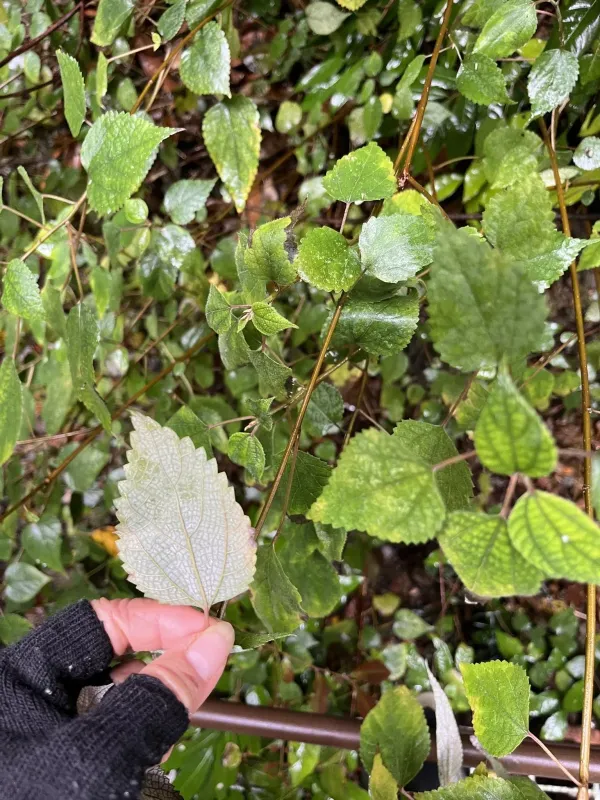
Description
Sowing dates
Boehmeria nipononivea is a perennial shrub of the Urticaceae family known for its high-quality bast fiber. In commercial farming, vegetative propagation using rhizome cuttings is the preferred method to ensure uniform and rapid establishment of the crop.
Planting usually occurs in the spring, as soon as the soil has warmed sufficiently. Optimal timing is crucial for the rhizomes to establish their root systems before the onset of the hottest summer temperatures.
Seed-based propagation is also possible but requires specialized nursery conditions. The tiny seeds need to be sown on the surface and kept consistently moist, which demands a well-managed irrigation system in the early stages.
Planting density is maintained at approximately 30,000 to 40,000 plants per hectare. This density prevents excessive branching and encourages the growth of long, straight stems, which are essential for high-quality fiber yields.
After the initial planting, mulching is often employed to maintain soil moisture and suppress weed competition. Establishing a clean field during the first year is vital for the long-term productivity of the fiber plantation.
Growing requirements
The plant is highly demanding regarding its environmental conditions. It thrives in subtropical climates that provide consistent warmth and high humidity throughout the entire growing season.
Deep, fertile loamy soils with excellent drainage are the most suitable for cultivation. Boehmeria nipononivea does not tolerate waterlogged conditions, which can quickly lead to root rot and significant crop losses.
Soil fertility management is a key aspect of agrotechnology. The plant responds very positively to nitrogen-rich fertilizers, which boost stem elongation and increase the quantity of the harvested fiber.
While the crop can tolerate partial shade, it achieves the best fiber development under full sun exposure. Protection from strong winds is also recommended to prevent the lodging of the tall, heavy stems.
Consistent water availability is necessary throughout the growing period. Irrigation is often required in regions with irregular rainfall patterns to ensure the plant continues to develop vigorously without dormancy periods.
Yield
The productivity of the crop increases gradually as the plantation matures. While initial yields are modest, the field reaches peak production potential by the third or fourth year after establishment.
Farmers can expect a yield ranging from 1.5 to 3 tons of processed fiber per hectare. This variation depends heavily on local climate conditions and the number of harvests possible in a single season.
In optimal subtropical regions, multiple harvests (often two or three) are possible within a single growing season. Each harvest requires careful management of plant nutrition to ensure fast regrowth of the stems.
Stem height is a primary indicator of potential fiber quality. Achieving heights of 1.5 to 2 meters is common in well-managed plantations, where the fiber quality is consistently high and suited for textile manufacturing.
The fiber extraction rate, which is the percentage of processed fiber relative to the dried stem weight, typically ranges from 15% to 20%. Modern processing technologies are designed to maximize this efficiency.
Main diseases and pests
Fungal diseases, especially those causing leaf spots, are significant threats in humid and poorly ventilated fields. Regular monitoring is necessary to prevent the rapid spread of infections across the plantation.
Root rot is a major issue in fields with poor drainage or during seasons of excessive rain. Proper soil preparation and the implementation of drainage systems are the most effective preventative measures.
Leaf-eating insects can cause significant damage to the plant by reducing the photosynthetic capacity of the leaves. When infestations reach economic thresholds, integrated pest management practices are implemented.
Aphids and mites can attack tender young shoots, resulting in stunted growth and deformed stems. These pests can also transmit various viruses, further reducing the overall health and fiber quality of the crop.
Weed management is critical, especially during the establishment phase. Since the plant competes for nutrients and light, keeping the inter-row areas clean is vital for maintaining the vigor of the Boehmeria nipononivea plants.
Harvesting
The harvest period is determined by the stage of technical maturity, marked by the yellowing of the lower stem. Harvesting at this exact time ensures the fiber is at its maximum strength and elasticity.
The stems are cut as close to the ground as possible using specialized mechanical mowers. Precise cutting is essential to avoid damaging the rhizome system and to facilitate uniform regrowth for the subsequent harvest.
Immediate processing, known as decortication, is required to remove the bark and separate the fiber from the woody core. Delaying this process can lead to fiber oxidation and a significant reduction in market value.
Drying the harvested fiber is the final stage of field processing. It must be performed in well-ventilated, shaded areas to preserve the natural luster and color of the fiber while preventing mold development.
After drying, the fiber is sorted and baled based on quality grades. This professional handling ensures that the final product meets the high standards required by modern textile industries worldwide.