
Boehmeria tricuspis
Boehmeria tricuspis
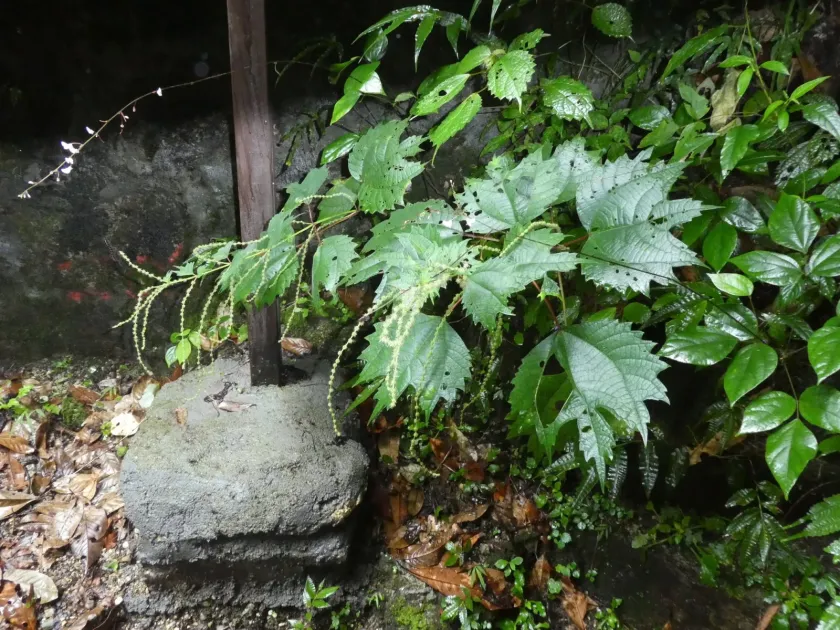
Description
Sowing dates
Boehmeria tricuspis, a member of the Urticaceae family, is a perennial herbaceous plant valued for its high-quality bast fiber. Planting is typically carried out in spring once the risk of frost has passed and the soil has reached a stable temperature suitable for root establishment.
Propagation is most commonly achieved through the division of rhizomes, which ensures vigorous growth and strong plant development from the very first year. When growing from seeds, it is essential to ensure shallow sowing, as the tiny seeds require light exposure for successful germination.
Selecting an appropriate site is crucial; the crop thrives in well-lit areas with protection from strong winds that might damage the elongating stems. The spacing between rows should be carefully planned to facilitate maintenance tasks and ensure adequate airflow across the plantation.
Soil preparation in autumn, involving deep plowing and the incorporation of organic matter, is vital to provide the necessary nutrients for the plant's massive root system. Early spring harrowing helps retain moisture, which is essential for the initial rapid growth phase.
The planting density is adjusted based on the intended use; higher density promotes the growth of long, slender, and less branched stems, which are ideal for fiber extraction. Conversely, more space allows for better rhizome development, beneficial for future vegetative propagation.
Growing requirements
This crop has significant water requirements and thrives best in soils that maintain consistent moisture levels without becoming waterlogged. The ideal soil type is a fertile, well-draining loam with a neutral pH, which supports healthy growth and strong stem production.
Light requirements are moderate to high; the plant needs sufficient sunlight to stimulate stem elongation and maximize fiber development. While it prefers full to partial sun, excessive midday heat in some regions might require protection to prevent leaf scorching and desiccation.
The optimal temperature range for development is between 20°C and 25°C. The plant is relatively hardy, but extreme temperature fluctuations can negatively affect its metabolism, leading to stunted growth or premature lignification of the stems, which degrades fiber quality.
Effective drainage is mandatory to prevent root rot, especially in regions with heavy spring rains. The site must be leveled or managed to avoid water accumulation, which is the primary cause of plantation failure in many agricultural settings.
Fertilization management focuses on a balanced supply of nitrogen to support stem growth, complemented by phosphorus and potassium for structural integrity. Over-fertilization with nitrogen should be avoided as it leads to excessive foliage, which can impede fiber quality and increase susceptibility to pests.
Yield
Productivity reaches its peak between the third and fifth years of a plantation's life, as the plants become well-established and mature. During this period, the plants provide the highest output of high-quality, long-fiber raw material suitable for industrial use.
The yield is primarily measured by the amount of harvestable dry stem mass per hectare. Implementing standardized agrotechnical care, including consistent irrigation during dry spells, is the most effective way to ensure high yields and maintain consistent fiber properties.
Maintaining the plantation involves regular monitoring of the stem growth, as fiber quality is heavily dependent on preventing premature lignification. Proper timing of the harvest is critical; delayed harvesting results in coarser fibers, which have lower market value.
Periodic rejuvenation of the plantation is required to maintain high yield levels, as the density of rhizomes can become too high over time, leading to nutrient competition. Thinning or dividing the rhizomes is standard practice to preserve the health and output of the crop.
Harvesting efficiency is maximized when using mechanical tools that ensure clean cuts at the base of the stem. Proper post-harvest handling, including drying and processing, is the final stage that determines the overall quality of the fiber extracted from the crop.
Main diseases and pests
Root rot caused by fungal pathogens is the most common threat, especially in poorly drained or overly compacted soils. Sanitation measures, such as removing infected plants and improving soil structure, are essential to prevent the spread of these soil-borne diseases.
Pests like spider mites and aphids can become problematic during hot, dry weather conditions. These pests suck sap from the leaves, significantly weakening the plant and slowing down the growth rate of the stems, which results in lower fiber yields.
Soil-dwelling larvae, such as those of the cockchafer beetle, represent a hidden threat to the root system. Infestations can lead to the sudden death of individual plants; therefore, pre-planting soil treatment is highly recommended to mitigate this risk.
Powdery mildew may occur if the planting density is too high, preventing adequate air circulation around the plants. Pruning and spacing are key preventive measures, while the use of appropriate fungicides may be necessary during severe outbreaks.
Constant surveillance of the field allows for early detection of pest or disease outbreaks, enabling targeted intervention. Early removal and destruction of affected plant parts are vital to protecting the integrity of the entire plantation from further damage.