
Boehmeria stipularis
Boehmeria stipularis
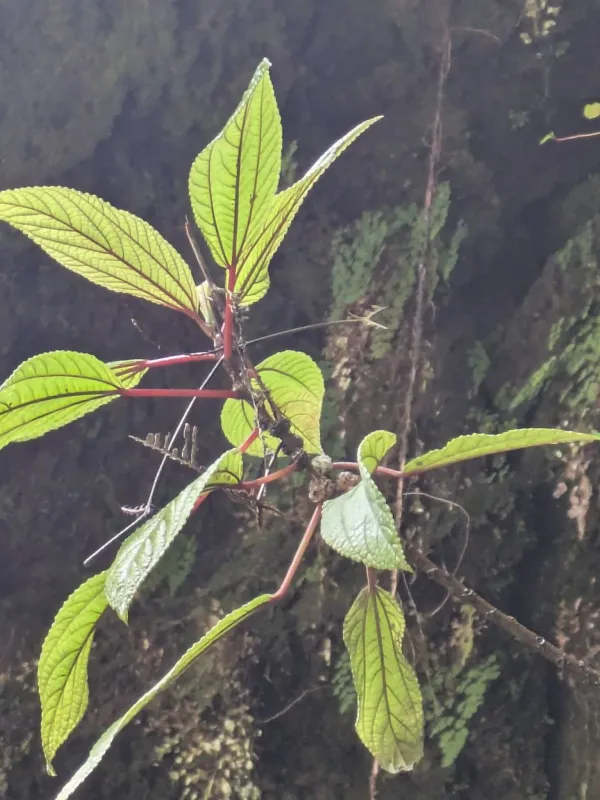
Description
Sowing dates
Boehmeria stipularis belongs to the Urticaceae family. It is a perennial plant primarily propagated in agriculture through vegetative methods, such as root division or using cuttings, which ensures the consistency of desired characteristics in the crop.
The optimal time for establishing plantations is early spring, once the soil temperature reaches 10–12 degrees Celsius. Ensuring adequate substrate moisture during the initial rooting phase is critical for the plants to adapt before the summer heat arrives.
When propagating via seeds, nurseries are required because young seedlings are highly sensitive to weed competition and temperature fluctuations. Transplanting hardened seedlings is typically performed once they reach a height of 15–20 centimeters.
Planting density significantly impacts fiber quality: higher density promotes the growth of straight, thin stems without excessive branching. A recommended planting scheme aims for approximately 40,000 to 50,000 plants per hectare.
Given its perennial nature, a single plantation can remain productive for several years provided that regular fertilization and proper pruning are implemented. Periodic renewal of the plantation is suggested every 5–7 years to maintain soil fertility and crop vigor.
Growing requirements
Boehmeria stipularis is a heat-loving crop that thrives in humid subtropical or tropical climates. The optimal temperature range for active vegetative growth is between 22 and 28 degrees Celsius.
The crop is highly demanding regarding air and soil humidity. Prolonged drought periods drastically slow down the plant's metabolism, causing the stems to lignify and reducing the overall quality of the textile fiber produced.
Soils must be fertile, rich in humus, and possess excellent drainage properties. Heavy clay soils prone to waterlogging are detrimental to the root system and often lead to root rot, necessitating careful site selection.
The crop responds well to nitrogen fertilizers, which stimulate vigorous stem growth. Maintaining a soil pH between 6.0 and 7.0 is vital to ensure proper nutrient uptake and to prevent the negative effects of either overly acidic or alkaline environments.
High light intensity is crucial for developing robust, fiber-rich stems. While the plant can tolerate light shade, maximum yields are achieved in open, well-lit fields that are shielded from strong, damaging winds.
Yield
The primary economic value of Boehmeria stipularis lies in its high-strength bast fiber, which possesses properties similar to rami (Boehmeria nivea). Total yield depends on the plantation's age and the efficiency of agricultural management.
Under intensive cultivation, multiple harvests can be achieved within a single growing season. In favorable climates, producers often manage 3–4 cuttings per year, making it a highly profitable crop for the textile industry.
The fiber extraction rate typically ranges from 10% to 15% of the total stem weight. The processing cycle involves decortication and degumming, followed by combing to refine the material into usable textile strands.
Economic success depends on fiber quality metrics such as length, flexibility, and dyeability. Mechanized harvesting methods allow for greater production scales and reduced labor costs, significantly increasing the profitability of the enterprise.
Ongoing selection and breeding programs aim to increase the fiber-to-stem ratio and improve the plant's resistance to environmental stress. Proper post-harvest management ensures the longevity of the rootstocks for subsequent seasons.
Main diseases and pests
Like many members of the Urticaceae family, Boehmeria stipularis is susceptible to pests such as aphids and leaf-eating caterpillars. Regular monitoring is essential to detect early infestations before they spread across the plantation.
Fungal diseases, including powdery mildew and leaf spots, often occur in conditions of high humidity and poor air circulation within dense plantings. Proper spacing and airflow are the best preventative measures against such outbreaks.
Root rot remains the most serious threat, particularly in poorly drained or waterlogged soils. Prevention includes careful irrigation management and frequent cultivation between rows to ensure oxygen availability to the roots.
Weed control during the initial growth stages is critical as the plant establishes itself. Mulching techniques help suppress weeds and maintain consistent soil moisture levels, reducing the need for intensive maintenance.
Integrated pest management strategies should combine cultural practices with the judicious use of biological control agents. This minimizes chemical input and helps maintain the high quality of the fiber required for industrial textile applications.
Harvesting
Harvesting is ideally conducted at the onset of the flowering stage, as this is when the concentration of high-quality fiber in the stems is at its peak. Delaying the harvest leads to fiber coarsening and a decrease in elasticity.
Stems should be cut as close to the ground as possible to encourage the emergence of new, vigorous shoots from the rhizomes. Using sharp, precision cutting equipment prevents unnecessary damage to the root system.
Immediate primary processing is required after cutting to prevent the degradation of fiber quality caused by biological decomposition. Speed is essential to maintain the integrity of the cellulose strands within the stems.
Logistics play a vital role; harvested biomass must be protected from direct sunlight and rain until it reaches the processing facility. Proper storage in ventilated areas ensures the stability of the raw material before final processing.
By-products generated during fiber extraction, such as stem waste, can be utilized as organic fertilizer or composting material, creating a sustainable production cycle that supports the long-term health of the agricultural land.