
Boehmeria spicata
Boehmeria spicata
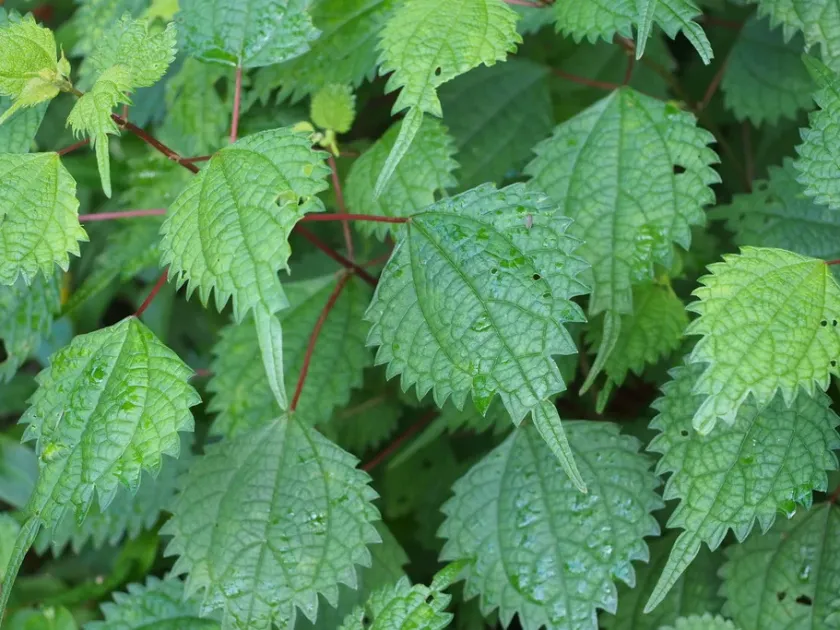
Description
Sowing dates
Boehmeria spicata is a perennial herbaceous plant belonging to the Urticaceae family. It is primarily cultivated for its high-quality bast fiber. Propagation is typically achieved through vegetative methods, such as root division, which ensures the consistency of fiber quality across the plantation.
The ideal planting time is during the spring season once the danger of frost has passed and the soil temperature reaches at least 15 degrees Celsius. This ensures a healthy start for the root system and promotes vigorous stem development throughout the growing season.
Rows should be spaced approximately 60 to 80 centimeters apart to allow for proper light penetration and mechanical maintenance. Proper spacing is essential to reduce competition between plants and ensure each stem reaches sufficient height and diameter.
Before planting, the soil should be enriched with organic matter. Initial irrigation is critical to support the establishment of the rhizomes. Once the plants begin to grow, maintaining consistent soil moisture becomes the most important factor for success.
Field maintenance includes regular weeding and hilling. Removing competitors ensures that the plant allocates energy towards building strong stems, which is the primary objective of commercial cultivation for fiber production.
Growing requirements
Boehmeria spicata thrives in well-drained, fertile soils with a neutral or slightly acidic pH. Loamy soils rich in nutrients are preferred, as they hold the necessary moisture while preventing the waterlogging that can damage root health.
The plant prefers partial shade or dappled sunlight. While it needs light for photosynthesis, direct and intense midday sun can cause leaf scorch and premature lignification, which reduces the elasticity and quality of the final fiber product.
Climate requirements include a stable, temperate environment with sufficient annual rainfall. In regions with dry spells, supplemental irrigation is required to prevent the plant from entering premature dormancy, which would negatively affect the length and strength of the fibers.
During the growing period, nutrient management is crucial. Nitrogen application supports rapid stem elongation, while potassium helps improve the overall resilience of the plant against environmental stressors and potential pathogens.
Cold tolerance is limited. In colder climates, winter protection is necessary. Mulching the root zones with straw or compost helps maintain soil temperature and protects the rhizomes from freezing, ensuring the plant survives until the next season.
Main diseases and pests
The plant is susceptible to various fungal diseases, especially in humid and poorly ventilated conditions. Root rot is a common threat if the soil remains waterlogged for extended periods, necessitating good drainage systems in the plantation.
Leaf spot diseases can also occur, particularly during seasons with high rainfall. Effective management involves removing and destroying infected plant material to prevent the spread of spores, as well as applying fungicide treatments if the infection becomes widespread.
Common agricultural pests include aphids and mites, which feed on the sap and can significantly stunt growth. Regular scouting of the fields is essential to detect early infestations and implement integrated pest management strategies.
Stem borers pose a specific risk to Boehmeria species. These pests tunnel into the main stem, compromising structural integrity and fiber quality. Preventive measures include ensuring vigorous plant growth and maintaining clean cultivation sites to minimize pest habitats.
Weed management remains the most persistent challenge in maintaining a healthy crop. Weeds not only compete for nutrients and water but also create microclimates that encourage the development of pests and diseases within the stand.
Harvesting
Harvesting should be timed to coincide with the stage of technical maturity. For fiber purposes, the optimal moment is when the stems reach their maximum length and the lower portions begin to show signs of maturation, typically after the flowering peak.
The harvest involves cutting the stems close to the soil surface. This maximizes the yield of the highest quality fiber found in the lower, more mature sections of the stem, while minimizing the waste of the thinner upper portions.
Post-harvest, the stems undergo preliminary processing, which involves removing the leaves. Quick handling is vital to prevent the onset of fermentation or mold, which can discolor the fiber and reduce its tensile strength during extraction.
Drying is a critical phase. Stems are dried in shaded, ventilated conditions. Over-drying should be avoided, as it makes the fiber brittle and difficult to separate during the decortication process, leading to higher breakage rates.
Final storage of the fiber must be in climate-controlled warehouses. Because the fibers are naturally hygroscopic, protecting them from humidity is essential to prevent degradation, mold growth, and loss of quality before the material reaches the manufacturing facility.