
Boehmeria sieboldiana
Boehmeria sieboldiana
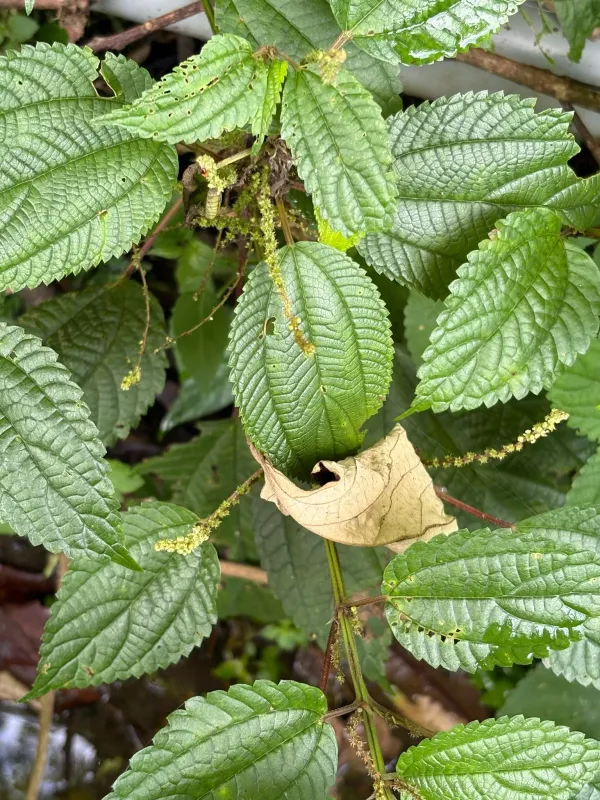
Description
Sowing dates
Boehmeria sieboldiana is a perennial herbaceous plant or shrub belonging to the Urticaceae family. While the plant can propagate by seeds, vegetative propagation using rhizomes is the preferred method for commercial cultivation.
Rhizome planting is typically carried out in early spring as soon as soil temperatures reach 10-12 degrees Celsius. This timing ensures robust root establishment before the onset of intensive summer growth.
When seed propagation is used, it should be done in greenhouses or nursery beds. Seedlings are delicate and require a controlled climate to survive the initial stages of development.
Planting density depends on the final application. For fiber production, tighter planting patterns are used to encourage vertical stem elongation and minimize branching.
Soil preparation is essential; the ground must be deep-plowed and thoroughly cleared of perennial weeds. Since growth is slow during the first year, weed suppression is a critical agronomic requirement.
Growing requirements
The plant thrives in fertile, well-drained loamy soils. It requires consistent moisture but is highly sensitive to waterlogging, which can easily trigger root rot.
Boehmeria sieboldiana prefers sunny locations protected from strong, drying winds. Adequate solar exposure is crucial for the development of high-quality, durable bast fibers.
A moderate climate is ideal, with temperatures ranging from 18 to 25 degrees Celsius. While the plant is resilient, extreme heat or prolonged freezing can negatively affect yield.
Regular irrigation is vital, especially during the active growth phase. The plant responds exceptionally well to organic fertilizers, which improve soil structure and nutrient availability.
In colder regions, winter protection is necessary. Applying a thick layer of mulch over the root zone prevents frost damage and ensures the plant survives to sprout again in the spring.
Yield
Productivity increases significantly as the plantation matures. Peak yields are usually observed from the third year onwards, as the root systems become fully established.
The optimal harvest window occurs at the beginning of the flowering stage. At this point, the fibers possess the ideal balance of strength and flexibility for textile processing.
Yield levels depend heavily on site selection, sunlight duration, and moisture management. With proper care, this crop can provide consistent and sustainable fiber output.
A notable biological trait is the ability to produce multiple harvests per season in regions with long, warm growing periods, which significantly improves economic viability.
Sustainable agronomic practices ensure that a single plantation can remain productive for many years, reducing the costs associated with frequent replanting.
Main diseases and pests
Common pests include aphids and spider mites, which feed on the underside of leaves during hot, dry weather. These infestations can significantly weaken the plants.
Fungal diseases, including leaf spot and various root rots, occur primarily when ventilation is poor or soil moisture levels are mismanaged in dense plantings.
Defoliating insects can damage young foliage early in the season, which inhibits photosynthesis and reduces the overall vigor of the plant.
Disease prevention is primarily achieved through maintaining proper plant spacing and ensuring adequate soil aeration to prevent fungal proliferation.
- Monitor irrigation to prevent water stagnation.
- Use integrated pest management for insect control.
- Regularly clear plant debris to reduce pathogen buildup.
Harvesting
Harvesting requires mechanized equipment that cuts stems at a precise height. It is crucial not to damage the crown of the plant, as it is a perennial crop.
Immediately after cutting, the stems undergo primary processing, which includes stripping the bark and separating the bast fiber from the woody core.
Fiber extraction often involves retting, where moisture and microorganisms help loosen the fibers. The duration must be carefully monitored to ensure maximum quality.
Once extracted, the fibers must be washed and dried in shaded areas. Excessive direct sunlight during drying can make the fibers brittle and fade their natural color.
Storage of the finished fiber should take place in dry, well-ventilated facilities. Proper storage prevents mold and degradation, maintaining the material's market value.