
Hybrid Beggarticks
Bidens triplinervia x Bidens ferulifolia
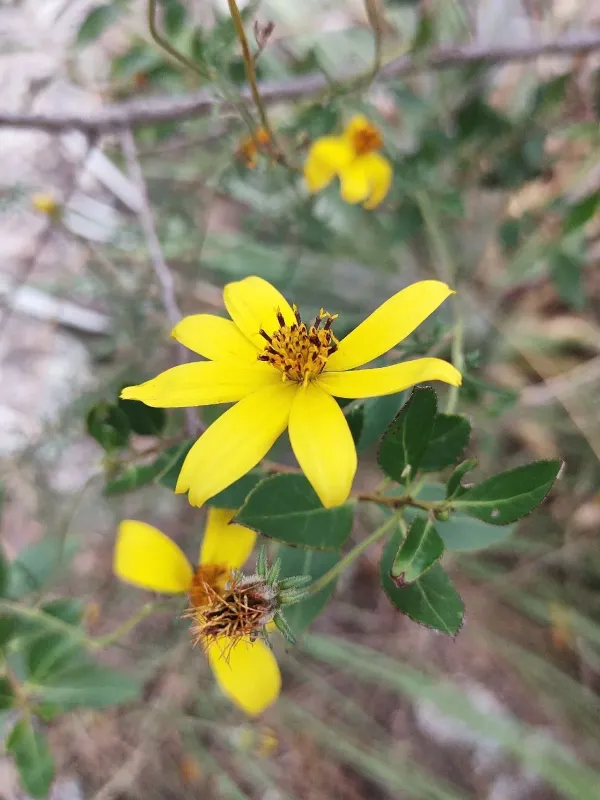
Description
Sowing dates
Hybrid Beggarticks, originating from the crossing of Bidens triplinervia and Bidens ferulifolia, are commonly propagated via seeds sown in early spring. Starting seeds indoors in late winter allows for established plants ready for the summer season.
Seeds are tiny and require light to germinate; therefore, they should be pressed into the surface of the growing medium rather than buried deeply. A steady temperature of around 20°C ensures consistent germination.
Seedlings are pricked out once they develop their first set of true leaves. Transitioning to individual pots promotes stronger root development and makes the plants easier to handle before transplanting into final locations.
Hardening off is a critical step for young plants before they are moved outdoors after the danger of frost has passed. This process helps them adapt to direct sunlight and fluctuating temperatures.
For container planting, ensuring sufficient drainage is vital to prevent root rot. Using a high-quality potting mix enriched with organic matter provides the necessary nutrient base for rapid growth.
Growing requirements
As a member of the Asteraceae family, the hybrid Bidens is prized for its vigorous, cascading habit, making it an excellent choice for baskets, window boxes, and ground covers.
Full sun exposure is essential for this plant. While it can survive in partial shade, optimal flowering density and plant shape are only achieved when the plant receives at least six hours of direct sunlight daily.
Soil should be well-draining and moderately fertile. The plant performs best in a loose medium that retains some moisture but allows excess water to pass through freely, preventing stagnation.
Water management is the key to success. During hot summers, containers must be watered regularly, as dry soil will quickly lead to wilting and flower senescence.
Regular fertilization is required throughout the growing season. A balanced, liquid-soluble fertilizer applied every two weeks encourages the continuous production of vibrant, daisy-like blooms.
Main diseases and pests
Powdery mildew is a common fungal issue that arises when plants are grown in overcrowded conditions with poor air circulation, particularly during humid spells.
Aphids are the most frequent insect pest, attacking the succulent tips of the stems and the developing flower buds, which can stunt the plant's overall growth.
Spider mites can also become a problem in hot, arid conditions. They thrive in dry environments and can cause mottled leaves and webbing if left untreated.
Maintaining a clean growing area by removing spent flowers and debris helps reduce the habitat for pests and the inoculum for fungal diseases.
Timely application of appropriate insecticides or fungicides is effective. Prioritizing healthy soil and correct spacing usually mitigates most biological threats without heavy chemical reliance.