
Beggar-ticks
Bidens pilosa L.
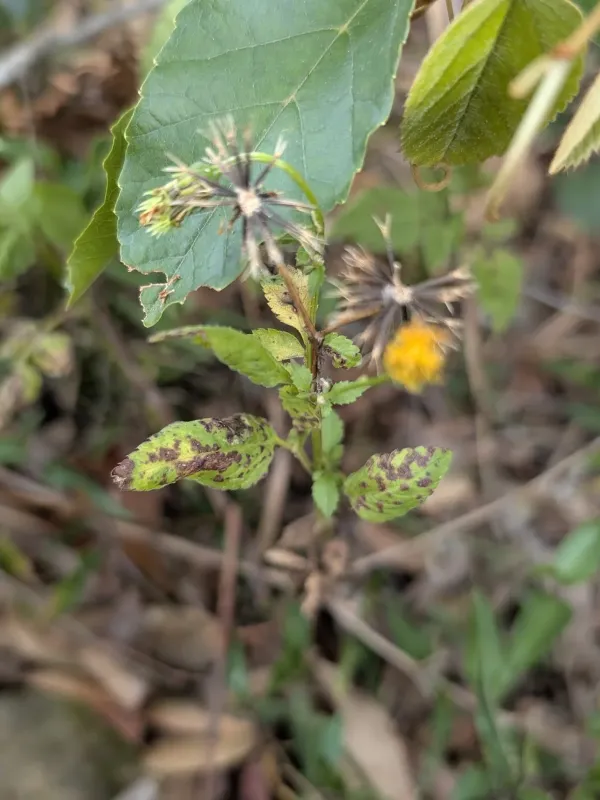
Description
Sowing dates
Bidens pilosa is a fast-growing annual plant belonging to the Asteraceae family, widely known for its adaptability to various environments.
The seeds are typically sown in spring once the soil temperature is consistently above 15 degrees Celsius to ensure uniform germination across the field.
Due to the small size of the seeds, they should be planted at a shallow depth of 1 to 2 centimeters, allowing sufficient light exposure for sprouting.
Agricultural spacing for optimal biomass production usually involves row distances of 30 to 45 centimeters to minimize plant competition.
Given its aggressive nature, proper site selection is essential to prevent the plant from becoming an invasive weed in surrounding agricultural areas.
Growing requirements
This species thrives in full sunlight and is considered a heliophyte, meaning it requires intense exposure to light to reach its maximum growth potential.
The soil requirements are flexible, though well-drained loamy soils with moderate fertility provide the best environment for the plant's development.
While known for its drought tolerance, the plant responds favorably to regular irrigation during the initial vegetative stages, which boosts yield.
The ideal temperature range for active growth is between 20 and 30 degrees Celsius; exposure to frost can significantly damage the aerial parts of the plant.
Proper aeration of the root zone is critical, as the plant is sensitive to waterlogged conditions that can cause root rot and stunt development.
Main diseases and pests
Bidens pilosa is generally robust but can be prone to powdery mildew, especially in areas with poor ventilation and high humidity levels.
Aphids are the most common pests, often clustering on the tender new growth and causing curling or yellowing of the leaves if left unchecked.
To mitigate pest impact, farmers often employ integrated pest management (IPM) strategies, including mechanical weed control and biological controls.
In some agricultural systems, Bidens pilosa is itself categorized as a major weed that requires chemical or physical intervention to protect main crops.
Preventative measures, such as maintaining clean borders and rotation, are effective in managing both pests and the spread of the plant itself.
Harvesting
The harvest of the aerial parts for medicinal or other industrial uses is best timed during the peak flowering stage to ensure the highest chemical activity.
Mechanical harvesting involves cutting the upper 20-30 centimeters of the plant, ensuring that woody or damaged parts are excluded from the final batch.
Post-harvest processing requires immediate drying in a shaded, well-ventilated area to preserve the integrity of the plant's active constituents.
Seed collection requires careful handling due to the hooked nature of the seeds, which can easily adhere to clothing and farm machinery during harvest.
Storage should be conducted in climate-controlled environments with low humidity to prevent degradation and ensure long-term shelf stability of the harvested material.